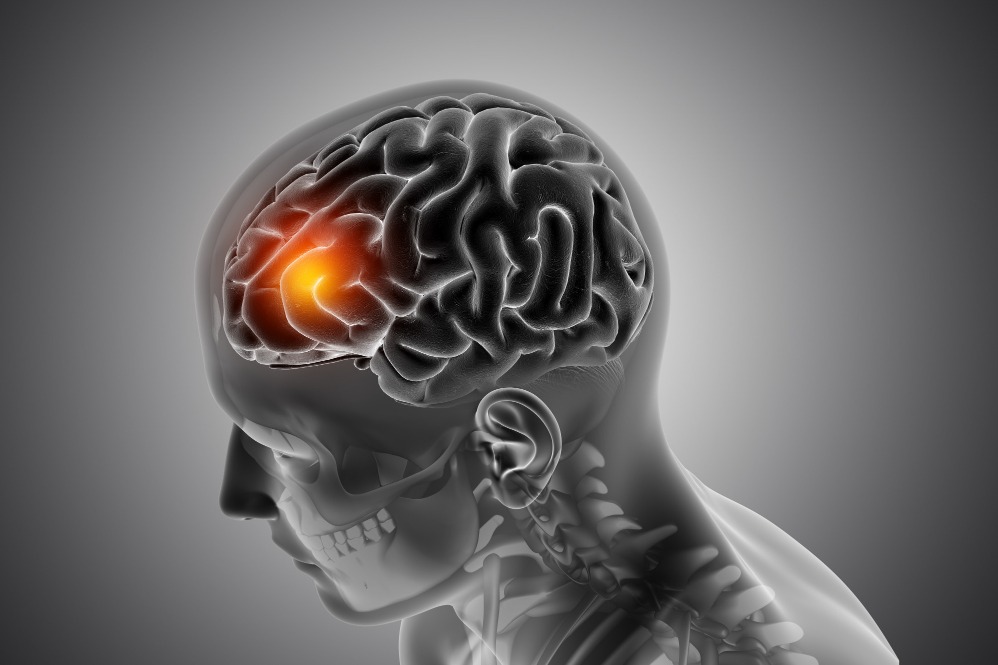
Head injuries are among the most serious medical emergencies because they can affect the brain within minutes of an accident. While many minor head injuries heal without complications, some require urgent medical treatment to prevent permanent neurological damage. Understanding when Traumatic Brain Injury (TBI) Surgery becomes necessary can help patients and families recognize the importance of timely medical evaluation.
Traumatic brain injury occurs when an external force damages the brain. Road traffic accidents, falls, sports injuries, workplace incidents, and assaults are among the common causes. The severity ranges from mild concussion to life-threatening brain swelling or bleeding.
Symptoms That Require Emergency Evaluation
Following a head injury, certain symptoms should never be ignored.
These include:
- Loss of consciousness
- Repeated vomiting
- Severe headache
- Increasing drowsiness
- Confusion
- Difficulty speaking
- Weakness in limbs
- Unequal pupils
- Seizures
- Clear fluid leaking from the nose or ears
Emergency medical care is essential if any of these symptoms develop.
How Doctors Assess Brain Injuries
Evaluation begins with stabilizing the patient's airway, breathing, and circulation before neurological assessment.
Investigations commonly include:
- CT scan of the brain
- MRI when required
- Neurological examination
- Glasgow Coma Scale assessment
- Monitoring of vital signs
These findings help determine whether surgery is necessary or whether careful observation is sufficient.
Situations Where Surgery May Be Needed
Not every traumatic brain injury requires surgery. However, emergency procedures may be recommended if imaging shows:
- Blood clots compressing the brain
- Skull fractures affecting brain tissue
- Severe brain swelling
- Intracranial bleeding
- Increased pressure inside the skull
The objective is to relieve pressure, remove clots, and prevent additional brain injury.
Recovery Following TBI Surgery
Recovery often continues long after hospital discharge.
Patients may require:
- Physiotherapy
- Occupational therapy
- Speech therapy
- Cognitive rehabilitation
- Regular neurological follow-up
Family support also plays an important role during recovery.
Residents of Khar who experience significant head injuries benefit from prompt neurological assessment rather than waiting for symptoms to worsen. Dr. Anshu Warade evaluates traumatic brain injuries using detailed clinical examination and modern imaging to determine the most appropriate course of treatment. Surgical decisions are made only after considering the patient's neurological condition and overall health.
Quick recognition and early treatment remain the most important factors influencing recovery after traumatic brain injury. Seeking immediate medical attention after serious head trauma can significantly improve long-term neurological outcomes.