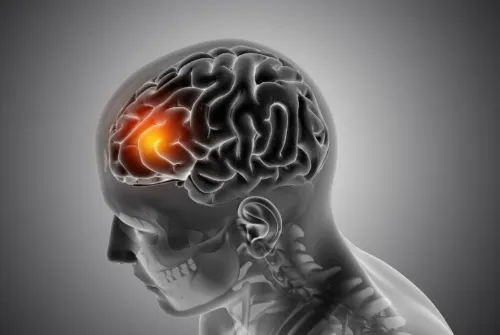
“Endoscopic brain surgery” can mean several different operations, from a transnasal pituitary procedure to endoscopic treatment for obstructive hydrocephalus. You will be able to match the diagnosis to the appropriate route, test a surgeon’s relevant experience, and compare the hospital support and recovery plan before choosing a specialist near Matunga.
Key takeaways
- Endoscopic surgery is a surgical route, not a diagnosis.
- Confirm the target lesion, treatment goal, and alternatives before choosing a surgeon.
- Check the surgeon’s endoscopic skull-base experience and hospital backup.
- Ask about nasal care, hospital stay, warning signs, and follow-up visits.
Which brain conditions are suitable for an endoscopic operation?
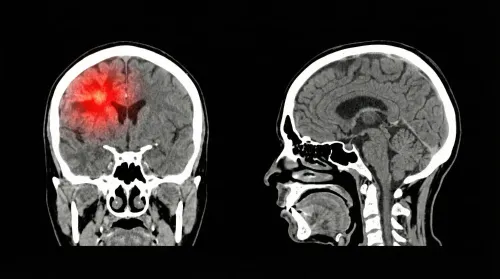
Diagnosis must come before the search for a surgeon because “endoscopic” describes a route, not a disease. Selected pituitary tumours and anterior skull-base lesions can be reached through the nose and sphenoid sinus.
Selected obstructive hydrocephalus cases can undergo endoscopic third ventriculostomy through a burr hole, while intraventricular lesions may need an endoscopic biopsy or treatment through a small cranial access point.
A cyst or other lesion needs route planning around its size, location, and relationship to the optic nerves, cranial nerves and blood vessels. Fully endoscopic surgery uses the endoscope as the primary access method; endoscope-assisted surgery still requires a craniotomy, with the scope improving the view inside the opening.
| Option | What it means | When it may be safer or more effective |
|---|---|---|
| Observation or medication | Monitor the lesion or control its effect without surgery | Noncompressive pituitary masses or medically treatable conditions |
| Radiosurgery | Focused radiation rather than tissue removal | Selected small, well-defined lesions |
| Shunting | Divert cerebrospinal fluid with an implanted tube | Hydrocephalus when ventriculostomy is unsuitable or fails |
| Microsurgery or open craniotomy | Direct access through a larger cranial opening | Lesions that cannot be reached safely through an endoscope |
A minimally invasive route is not automatically low risk. Complications include cerebrospinal-fluid leak, infection or meningitis, visual injury, vascular injury, hormonal deficiency and failed ventriculostomy. For a search such as endoscopic brain surgery Matunga, identify the exact proposed procedure before comparing doctors by the word “endoscopic” alone.
What tests and treatment goals should be settled before surgery?
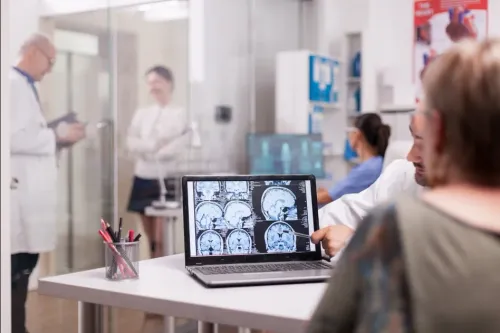
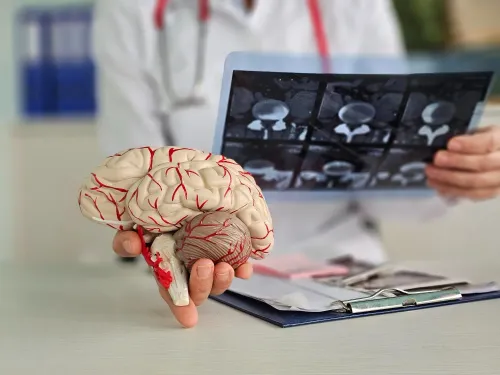
Before recommending surgery, the surgeon must review the actual MRI or CT images, not only the radiology report, and perform a neurological examination. Bring previous scans so the team can compare growth, symptoms and treatment response. Review every medicine, blood thinner, allergy and earlier operation.
For pituitary disease, settle these checks:
- Pituitary and target-gland hormones, such as cortisol, thyroid hormones, prolactin, growth hormone markers and sex hormones, according to the suspected disorder.
- Formal visual-field testing when the tumour could press on the optic nerves or chiasm.
- Observation as an alternative when a pituitary mass causes no visual or hormonal problem.
- For obstructive hydrocephalus, why an endoscopic third ventriculostomy is preferable to a shunt, and what will happen if the new opening closes.
- For children, age-appropriate anaesthesia, imaging, endocrine care and postoperative support.
The surgeon should state the precise treatment goal:
| Goal | What it establishes | Why it matters |
|---|---|---|
| Tissue diagnosis | A biopsy confirms what the lesion is | Sampling carries less removal-related risk |
| Molecular testing | Tissue is analysed for treatment-guiding changes | Results can alter later therapy |
| Pressure relief | The operation reduces mass effect | Symptoms may improve without total removal |
| Subtotal removal | Safe part of the lesion is removed | Residual disease may need monitoring or further treatment |
| Attempted complete removal | The team aims for maximal safe clearance | Greater removal can increase injury risk |
Seek a second opinion if the diagnosis is uncertain, advice relies only on a report, or benefits and alternatives remain unclear.
How do you verify the best brain doctor near Matunga?
Verify a best brain doctor matunga search with records and procedure-specific questions, not rankings or testimonials. Check the doctor’s registration in the National Medical Commission’s Indian Medical Register, then confirm postgraduate neurosurgical training directly with the doctor or hospital.
Ask these questions before comparing recommendations:
- How many operations of this exact type do you perform each year?
- Do you treat adults, children, or both?
- Which critical steps will you personally perform?
- For a transnasal operation, will an ENT skull-base surgeon join the case?
- What are your rates for cerebrospinal-fluid leak, infection, reoperation, visual deterioration and permanent hormonal deficiency?
- How does the hospital define and audit each result?
| Procedure | What experience proves | What it does not prove |
|---|---|---|
| Endoscopic third ventriculostomy | Routine treatment of selected obstructive hydrocephalus | Expertise in pituitary or skull-base surgery |
| Endonasal pituitary surgery | Regular transnasal treatment of comparable tumours | Ability to perform intraventricular biopsy |
| Intraventricular biopsy | Experience with the lesion’s location and biopsy route | Expertise in every endoscopic operation |
The relevant comparison is not the surgeon’s total operation count. Endoscopic third ventriculostomy experience does not automatically qualify a surgeon for an endonasal pituitary tumour or intraventricular biopsy.
When comparing a brain surgery specialist near Matunga, judge a consultation with Dr. Anshu Warade by the same questions: diagnosis-specific experience, alternatives, material risks, possible conversion to open surgery and the proposed follow-up plan. A surgeon who cannot explain how outcomes are measured has not given you a meaningful comparison.
Related services
Brain (Cranial) Surgeries 🧠 Brain (Cranial) Surgeries by Dr. Anshu Warade Brain (Cranial) Surgeries involve advanced surgical procedures to treat conditions affecting the... View service → |
Endoscopic Brain Surgery 🧠 Endoscopic Brain Surgery by Dr. Anshu Warade Endoscopic Brain Surgery is an advanced, minimally invasive neurosurgical technique that uses a thin... View service → |
Which hospital and surgical team should support the procedure?
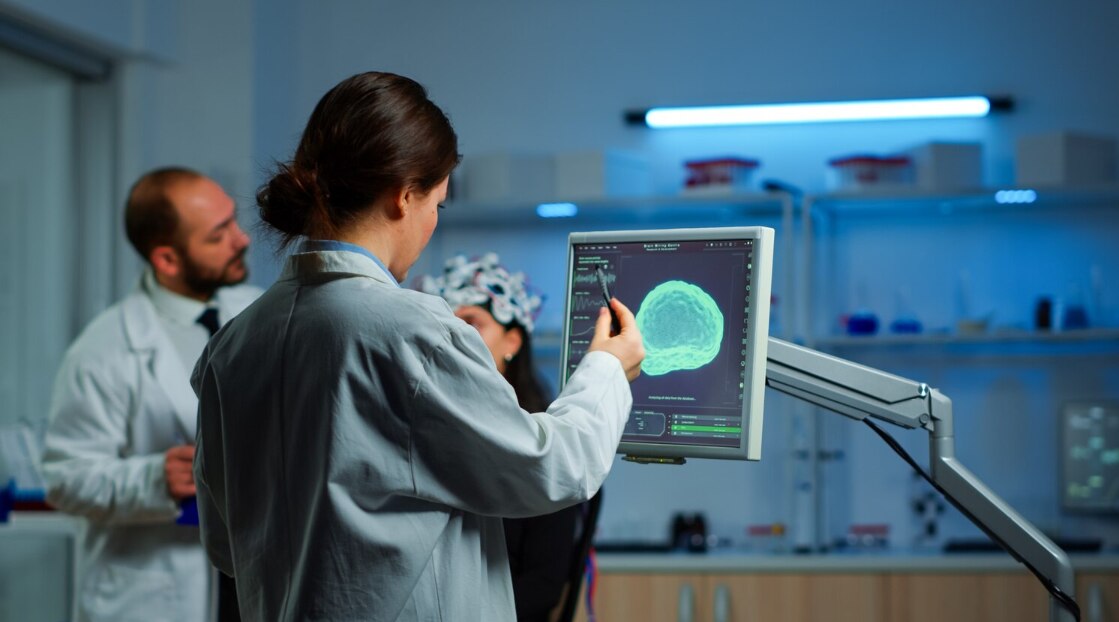
The hospital matters as much as the surgeon: choose the centre that can manage the entire operation and its complications, not the one closest to Matunga. Ask exactly where surgery will occur and whether it has round-the-clock MRI and CT, neuroanaesthesia, neurological intensive care, blood-bank support, emergency vascular or skull-base backup, pathology and rehabilitation.
Ask these team questions before consenting:
- Will a neurosurgeon and ENT or skull-base surgeon operate together for a pituitary or anterior skull-base case?
- Who will close the nose, repair a cerebrospinal-fluid leak, assess vision and manage postoperative hormones?
- Are endocrinology, neuro-ophthalmology and intensive-care specialists available when needed?
- Is neuronavigation, intraoperative imaging and neuromonitoring available for this route, and what specific risk does each tool address?
- What is the plan if the endoscope cannot safely reach the lesion, major bleeding occurs or conversion to an open craniotomy becomes necessary?
| Hospital comparison | What to verify | Why it matters |
|---|---|---|
| Round-the-clock imaging | MRI and CT access after discharge and overnight | Detects bleeding, swelling or hydrocephalus quickly |
| Specialist backup | Vascular or skull-base surgery, pathology and rehabilitation | Provides rescue treatment and confirms diagnosis |
| Critical care | Neuroanaesthesia and neurological intensive care | Supports airway, brain and hormone complications |
For a search such as best brain doctor endoscopic brain surgery for Matunga, rapid access to these services outweighs a shorter journey. Compare the care pathway, not the incision size or advertising language.
What should you expect on the day of surgery and during recovery?
Before you consent, get a written day-of-surgery and recovery plan. Ask which anaesthetic will be used, how long monitoring is expected, and whether you will spend time in a neurological intensive-care unit.
| Procedure | Recovery questions to settle | Follow-up |
|---|---|---|
| Transnasal | Saline rinses, no nose-blowing, sneeze with your mouth open, and limits on bending or heavy lifting | ENT review and assessment of the repair |
| Pituitary | When hormone testing will be repeated and whether temporary replacement medication is needed | MRI, CT or endocrine review date |
| Endoscopic third ventriculostomy | How recurrent headache, vomiting, drowsiness or visual change will be assessed if the opening closes | Imaging and failure plan |
The exact nasal instructions depend on the repair and hospital protocol. Recovery time depends on the procedure, diagnosis and your work, so obtain dates rather than accepting a fixed promise.
- Confirm when you can drive, exercise and return to work.
- Ask when MRI or CT will be performed.
- Ask who to contact outside clinic hours.
- Clarify whether an endoscopic route could become an open operation.
- Keep your discharge instructions and medication list accessible.
Sudden severe headache, new weakness or speech difficulty, a first seizure, repeated vomiting with drowsiness, or rapidly worsening vision requires emergency assessment, not a routine appointment.
For a second opinion, take the original MRI or CT images, reports, laboratory results, pathology slides and molecular report, if available. A second review is especially useful after an elective recommendation or when the recovery plan remains vague.
Frequently asked questions
Which brain conditions are suitable for an endoscopic operation?
Endoscopic surgery suits selected pituitary tumours and anterior skull-base lesions that can be safely reached through the nose and sphenoid sinus. Imaging and the lesion’s size, location, extension, and relationship to blood vessels determine suitability.
What tests and treatment goals should be settled before surgery?
Ask for a review of MRI or CT scans, hormone tests for suspected pituitary disease, vision testing when the optic nerves are involved, and a clear statement of the goal: biopsy, decompression, tumour removal, or control of hormone excess.
How do you verify the best brain doctor near Matunga?
Verify the doctor’s neurosurgical credentials, experience with endoscopic endonasal procedures, recent case relevance, complication discussions, and willingness to explain alternatives and expected follow-up.
Which hospital and surgical team should support the procedure?
Choose a hospital with appropriate endoscopic equipment, skull-base or ENT collaboration, neuro-anaesthesia, intensive-care support, imaging, laboratory services, and access to urgent specialist care.
What should you expect on the day of surgery and during recovery?
Expect preoperative checks, anaesthesia, nasal endoscopic access, recovery monitoring, and follow-up imaging or hormone and vision tests when indicated. Ask about nasal cleaning, activity limits, fluid leakage, severe headache, fever, and other warning signs before discharge.
Related service
Skull Base Neurosurgery 🧠 Skull Base Neurosurgery by Dr. Anshu Warade Skull Base Neurosurgery is a highly specialized field that focuses on treating complex tumors and... View service → |
Keywords