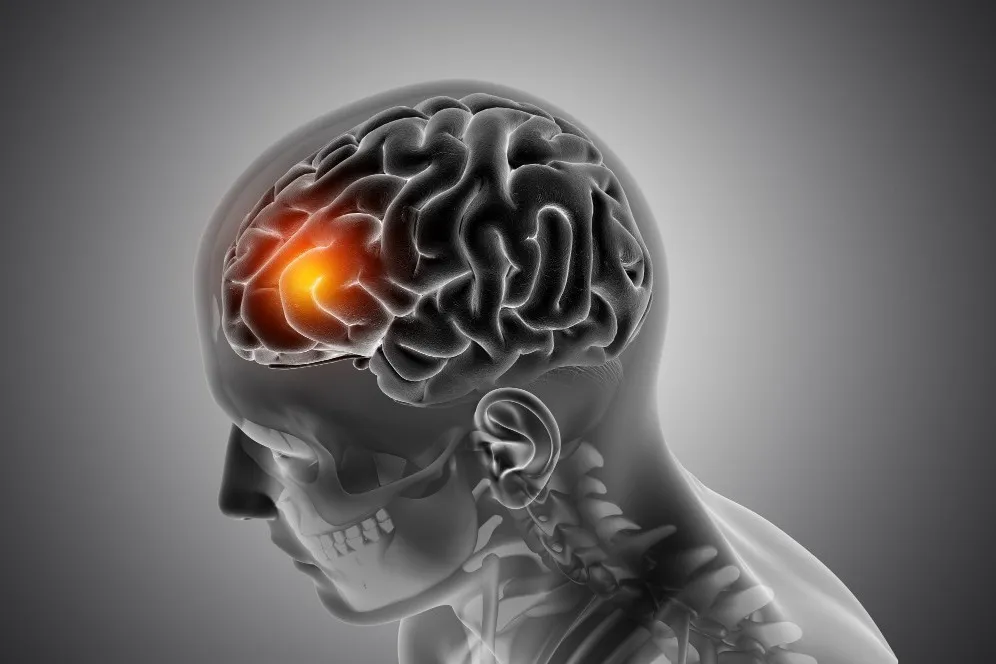
A serious blow to the head can affect the brain even when external injuries appear limited. Road accidents, falls, workplace injuries, and sports-related incidents are common causes of traumatic brain injury. While many head injuries do not require an operation, Traumatic Brain Injury (TBI) Surgery can become necessary when bleeding, swelling, or pressure inside the skull threatens brain function.
Recognising concerning signs is particularly important because a person's condition can change after the initial injury.
Why Some Head Injuries Become Dangerous
The skull protects the brain, but it also creates a closed space. If bleeding or swelling develops inside that space, pressure can rise and affect healthy brain tissue.
Possible complications include intracranial bleeding, brain swelling, skull fractures, or collections of blood around the brain.
The severity cannot always be judged by looking at the external wound.
Warning Signs After a Head Injury
Urgent assessment may be required when someone develops:
- Loss of consciousness
- Increasing drowsiness
- Repeated vomiting
- Seizures
- Confusion
- Weakness of an arm or leg
- Unequal pupils
- Difficulty speaking
- Severe or worsening headache
- Unusual behaviour
- Fluid or blood coming from the nose or ears
A deterioration after an apparently stable period can also be significant.
When Is Surgery Considered?
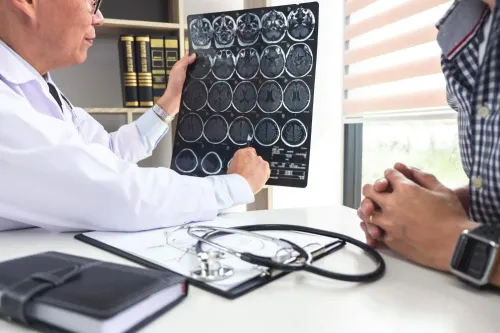
CT imaging is frequently used in acute head injury because it can identify fractures, bleeding, swelling, and other abnormalities.
Surgery may be considered when a significant collection of blood is compressing the brain, intracranial pressure becomes dangerous, or damaged tissue and swelling create a threat to neurological function.
The exact procedure depends on the injury.
Some patients may require evacuation of a blood clot. Others may require a procedure designed to relieve pressure on the brain.
Why Timing Matters
Severe traumatic brain injuries can evolve quickly. Repeated neurological examinations and imaging may therefore be required even after the first assessment.
Dr. Anshu Warade evaluates traumatic brain injuries using clinical findings and imaging to determine whether neurosurgical intervention is indicated.
The decision to perform Traumatic Brain Injury (TBI) Surgery considers both the immediate imaging findings and the patient's neurological condition.
Recovery Extends Beyond the Operation
Survival and stabilisation are the first priorities after severe head injury, but recovery may continue for weeks or months.
Depending on the areas affected, rehabilitation may involve physiotherapy, speech therapy, occupational therapy, or cognitive rehabilitation.
Families in Khar and across Mumbai, Maharashtra, should also understand that recovery varies considerably between patients and depends on the severity and nature of the original injury.
A serious head injury should never be judged only by visible wounds. When imaging reveals bleeding or pressure on the brain, timely neurosurgical assessment helps determine whether an operation is required. Dr. Anshu Warade provides evaluation and surgical planning for patients with traumatic brain injuries based on the individual clinical situation.
Keywords