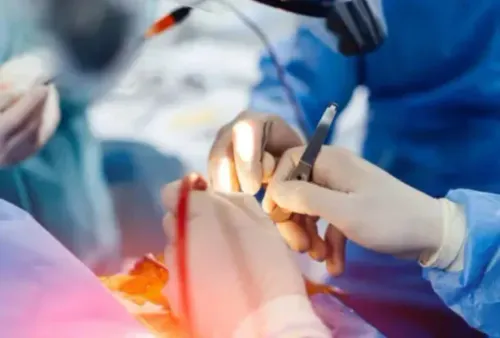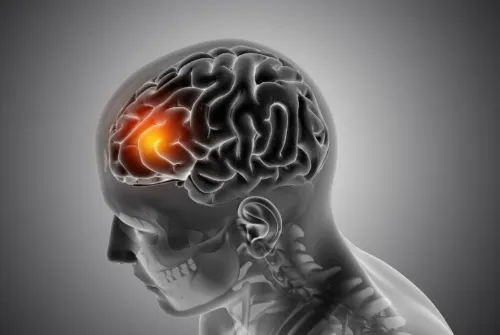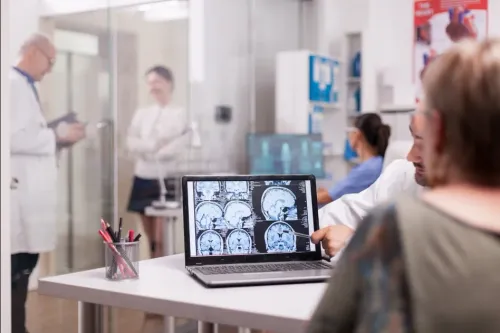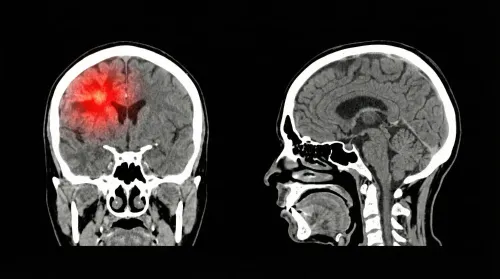

After brain surgery, fatigue, scalp pain, nausea and slower thinking can occur during recovery, but a worsening headache, seizure, new weakness, breathing trouble or wound drainage needs prompt action. This guide shows you what to check during the first day, week and month, when to call the neurosurgical team the same day, and when to go straight to an emergency department.
Key takeaways
- Call an ambulance for a seizure, fainting, breathing trouble or sudden loss of awareness.
- Contact your neurosurgeon if headache, vomiting, fever or confusion is worsening.
- Keep the incision clean and report spreading redness, drainage or increasing swelling.
- Do not drive until your neurosurgeon confirms it is safe.
The First 24 Hours: What Recovery Should Look Like
Sleepiness after anaesthesia and prescribed medicines is common during the first 24 hours at home or after transfer from hospital. Scalp tenderness, incision discomfort, mild nausea, dizziness, headache and slowed concentration can also occur; these should remain stable or gradually improve, not intensify.
Check the patient when they naturally wake rather than repeatedly disturbing sleep:
- Ask their name, where they are and a simple question. Listen for clear, usual speech.
- Ask them to smile and look for new facial drooping. If safe while lying down, ask them to squeeze both hands or lift each arm; stop if this causes pain or strain.
- Inspect the dressing or incision without removing it. Look for sudden bleeding, separation or rapidly increasing swelling.
- Supervise a short walk only if they are steady and the discharge plan permits it. Do not make a dizzy or weak patient walk.
Call local emergency services immediately for loss of consciousness, new weakness, facial droop, new speech difficulty, unequal pupils, breathing difficulty, loss of vision, or a severe worsening headache with vomiting. A new neurological change needs emergency assessment; notify the operating team after calling, rather than waiting for a routine visit.
People looking for dadar brain for surgery recovery problems need the same emergency thresholds as patients anywhere else. Stable tiredness or mild discomfort is different from deterioration.
The First Week: Wound Checks, Temperature and Changing Symptoms
Under your discharge plan, perform the wound and symptom check once or twice daily rather than repeatedly waking the patient. Use a thermometer, record the reading, and compare today’s symptoms with yesterday’s direction.
- Inspect the incision for increasing redness, swelling, pus, foul-smelling fluid, separation, or a dressing that is becoming wetter.
- Note whether headache, fatigue, nausea, itching, numbness and sleep disruption are gradually improving.
- Contact the neurosurgeon the same day for persistent vomiting, increasing drowsiness, worsening confusion, uncontrolled headache, fever, a new neurological deficit, or clear watery drainage from the incision, nose or ear.
- Seek emergency assessment for one-sided leg swelling or pain, sudden chest pain, coughing blood, or unexplained shortness of breath.
A small amount of ordinary moisture does not look like a steady, clear watery leak. Clear fluid from the wound, nose or ear is more concerning when a headache worsens while sitting or standing and eases when lying down; this pattern can indicate cerebrospinal-fluid leakage and needs prompt assessment.
Do not wait for the planned review.
For people searching brain surgery complications dadar, the safer interpretation is not “every symptom is normal” or “every symptom is catastrophic.” Stable scalp tenderness and tiredness can be monitored when they improve; deterioration, fever, abnormal drainage or associated neurological signs require action.
Seizure, Fainting or Panic: Know When to Call an Ambulance
Call an ambulance for a first-ever seizure, a seizure lasting five minutes or longer, repeated seizures without recovery between them, breathing difficulty, or failure to regain consciousness.
Seizure | Fainting | Migraine | Medication drowsiness | Panic Movement | Rhythmic jerking or stiffening | Limp collapse, brief twitching possible | No sustained jerking | No jerking | Trembling, but purposeful movement Responsiveness | Cannot respond; eyes may stare or deviate | Briefly unresponsive, then improves quickly | Usually responds | Wakes or responds to voice | Responds and can describe fear Breathing and colour | Irregular breathing, blue or pale colour | Briefly pale; breathing returns | Usually normal | Usually normal | Rapid breathing; colour usually remains normal Recovery | Confusion or deep sleep follows | Rapid orientation | Headache, light sensitivity or nausea | Sleepiness without a seizure pattern | Settles as panic eases
During the event, move furniture and other hazards away. Do not restrain the patient or put anything in the mouth. Time the start and end, and place the person on their side after convulsions stop if possible.
- Record body movements, eye position, colour, breathing changes and injuries.
- Note missed or vomited medicines, fever and the patient’s condition afterward.
New facial droop, one-sided weakness, speech trouble, confusion or inability to walk is an emergency even without shaking. A search for brain surgery complications dadar does not change these thresholds: call local emergency services, then notify the operating neurosurgical team.
Medicines, Driving and Procedure-Specific Risks
Follow the written discharge prescription, not another patient’s regimen. The operation, seizure risk, swelling, infection risk and other medicines differ from person to person. Take antiseizure medicine exactly as prescribed; stopping it abruptly can trigger seizures. Ask the discharge team what to do after a missed or vomited dose.
Take steroids on the prescribed schedule and follow any taper exactly. Complete antibiotics unless the prescribing clinician changes them. Avoid alcohol, unapproved supplements and aspirin or ibuprofen when the surgeon has restricted them.
Pain medicines can cause sedation, constipation, slowed thinking and impaired reactions; use the prescribed bowel-care plan and do not drive until the surgeon or licensing authority confirms that driving is safe.
| Operation | Problems needing prompt review |
|---|---|
| Craniotomy | New weakness, facial droop, confusion, speech trouble, worsening headache, wound change or clear fluid from the incision |
| Skull-base or pituitary-region surgery | Clear drainage from the nose or ear, vision change, worsening headache or neurological decline |
| Endoscopic surgery | Neurological deterioration or clear fluid leakage; a smaller incision does not remove these risks |
Call local emergency services for sudden neurological decline, loss of consciousness, breathing difficulty or severe worsening headache with vomiting. Contact the operating team promptly for wound or fluid concerns rather than waiting for routine review.
After reduced mobility, walk as instructed and use prescribed clot-prevention measures. One-sided leg swelling or pain, sudden chest pain, coughing blood or unexplained shortness of breath needs emergency assessment.
The First Month: What Brain Surgery Follow-Up Should Cover
Your first-month review has no universal appointment date: timing depends on the operation, diagnosis, wound and test results. It can cover:
- Wound inspection and staple or suture removal. Removal commonly occurs around 7–14 days, but follow the surgeon’s plan and never remove them yourself.
- Review of the operation, pathology and MRI or CT findings.
- Neurological examination and seizure assessment.
- Medication adjustment, including anti-seizure treatment, steroids and pain relief.
- Rehabilitation planning for walking, speech, strength, memory or daily activities.
Bring these items to the appointment:
- Discharge summary
- Operation date and diagnosis
- Complete medication list
- Pathology and imaging reports
- A timeline of symptoms, including what is improving or worsening
- The neurosurgery contact number
Use this comparison to decide what to do while waiting:
| Situation | What it means | Action |
|---|---|---|
| Planned review or results have not arrived | Follow-up arrangements are incomplete | Call the neurosurgery office |
| New weakness, facial droop, confusion, speech trouble, vision loss or difficulty walking | Possible neurological deterioration | Call local emergency services and notify the operating team |
| Severe worsening headache, repeated vomiting, loss of consciousness or breathing difficulty | Emergency warning sign | Seek emergency care immediately |
For a patient searching brain surgery follow up dadar, a specialist review is valuable when it connects symptoms, medicines, imaging and recovery goals rather than treating each complaint separately. Dr. Anshu Warade is one local neurosurgical option for that assessment; routine follow-up never replaces emergency care.
Related services
Brain (Cranial) Surgeries 🧠 Brain (Cranial) Surgeries by Dr. Anshu Warade Brain (Cranial) Surgeries involve advanced surgical procedures to treat conditions affecting the... View service → |
Neurological Examination 🧠 Neurological Examination by Dr. Anshu Warade A Neurological Examination is a detailed clinical assessment used to evaluate the functioning of the... View service → |
Frequently asked questions
What symptoms are common during the first 24 hours after brain surgery?
Sleepiness, scalp tenderness, incision discomfort, mild nausea, dizziness, headache and slowed concentration can occur. These symptoms should stay stable or gradually improve.
When should I contact my neurosurgeon about the incision or temperature?
Contact your neurosurgeon for worsening pain, increasing redness or swelling, wound drainage, persistent vomiting, fever or new confusion.
When should I call an ambulance after brain surgery?
Call an ambulance for a seizure, fainting, breathing difficulty, sudden loss of consciousness or a new severe neurological change.
What should brain surgery follow-up cover during the first month?
Follow-up should review the incision, symptoms, medicines, neurological function, activity limits, driving, seizure risk and any scans or pathology results.
Keywords