

Recovery after cranial surgery depends on the operation, the brain area involved and your neurological status, so a generic six-week timetable is unreliable. You will learn how to organise the first days at home, identify urgent changes, plan rehabilitation and choose the right follow-up route in Mahim.
Key takeaways
- Expect fatigue, headaches and concentration problems during the first month.
- Keep the incision clean and follow the prescribed medicine schedule.
- Seek urgent medical help for seizures, worsening weakness, confusion or fever.
- Arrange family support, transport and postoperative reviews before discharge.
What to expect from the first 24 hours through the first month
Recovery is not a fixed six-week timetable. Fatigue, headaches, scalp numbness and poor concentration can last several weeks, while speech, movement, vision or swallowing improve according to the brain area treated and the underlying disease.
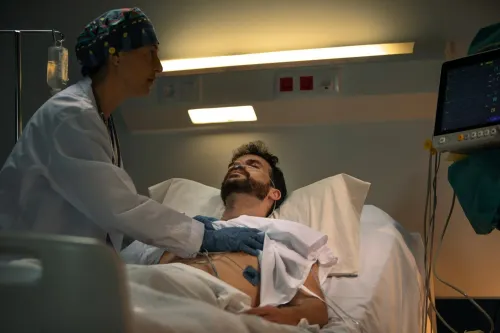
1. First 24 hours: Expect close neurological checks, pain and nausea treatment, and help with walking, eating or using the toilet. Some patients spend time in intensive care. Ask whether scans, oxygen, drains or anti-seizure medicine are planned.
2. First week: You may remain in hospital for monitoring or go home with supervision. Confirm your operation-specific activity limits, wound and dressing plan, medicine doses, and the date for staple or suture removal. Ask for written instructions.
3. Before discharge: Get a daytime and overnight contact number for the neurosurgical team and the nearest emergency department. Confirm exactly what to do after a seizure, new weakness, worsening confusion, repeated vomiting, severe headache, fever, clear fluid leakage or reduced consciousness.
4. First month: Plan short, quiet activities with rest between them. Rehabilitation can begin when safe: physiotherapy for weakness or balance, occupational therapy for daily tasks, and speech-language therapy for communication or swallowing.
Do not drive until your surgeon and the applicable transport authority clear you; a healed incision does not prove safe reactions, vision or seizure control.
If you are searching for brain for surgery recovery mahim, take this checklist to your discharge meeting. Ask how swallowing will be assessed if you cough, choke, develop a wet voice or need unusually long meals. Never stop anti-seizure medicine abruptly.
Incision care, medicines and warning signs at home
Keep the incision clean and dry until your discharge instructions allow washing. Do not rub it, pick scabs, apply cream, or use hair products over the wound. Change dressings only as instructed; ask when staples or sutures will be removed.
Mild bruising, scalp numbness and limited swelling can occur, but increasing redness, warmth, swelling, drainage or wound separation needs medical advice.
Take every medicine at the prescribed time. Do not stop an anti-seizure medicine suddenly, taper a steroid without instructions, double a missed dose, or add aspirin, ibuprofen, blood thinners or herbal products without checking the surgical team. Use the written plan for pain relief, constipation prevention and any stomach protection.
Good after brain surgery care Mahim families can manage at home starts with one accessible medication list and the neurosurgical contact number.
| Symptom or change | Action | Why it matters |
|---|---|---|
| Clear fluid from the incision or nose | Contact the hospital immediately | Could indicate cerebrospinal-fluid leakage |
| Fever with wound redness, warmth or pus-like drainage | Seek urgent clinical assessment | Could indicate infection |
| Worsening or unusual headache, repeated vomiting, neck stiffness or increasing drowsiness | Go to emergency care now | Needs assessment, not routine follow-up |
| New weakness, facial droop, speech or vision change, confusion, seizure or reduced alertness | Call emergency services or reach the nearest emergency department | May signal neurological deterioration |
Do not drive in Mahim or elsewhere until your surgeon and the applicable transport authority confirm fitness; seizures, poor vision, weakness, slowed reactions and sedating medicines can make driving unsafe even after the incision heals.
Safe activity, fatigue and rehabilitation after discharge
Your cranial surgery recovery Mahim plan should match the operation, skull repair, cerebrospinal-fluid history and neurological symptoms—not a generic six-week timetable. Fatigue, headache, scalp numbness and poor concentration can last for weeks. Increase activity only while symptoms remain stable, and rest before exhaustion rather than after it.
- Sit out of bed, stand and walk short distances with supervision if balance or strength is reduced.
- Add a few minutes or one household task at a time; keep the next day easier if headache, dizziness or fatigue increases.
- Keep your head elevated as instructed, drink enough fluid and prevent constipation without straining.
- Avoid heavy lifting, bending forcefully, strenuous exercise and driving until the neurosurgical team clears them.
Start rehabilitation when you are clinically safe, not after all spontaneous recovery has stopped. Physiotherapy targets weakness, walking and balance; occupational therapy rebuilds washing, dressing and other daily tasks; speech-language therapy addresses communication and swallowing; neuropsychology supports memory, attention, mood and behaviour. Your deficits determine the referral.
Contact the planned neurosurgical service promptly for worsening or different headache, repeated vomiting, new weakness, speech or vision change, increasing confusion, reduced alertness or a seizure. Fever, neck stiffness, wound redness or drainage, wound separation, or clear fluid from the incision or nose also needs urgent assessment.
Keep an emergency contact number available instead of relying on an unavailable clinic line.
Choosing the right postoperative review in Mahim
Book the operating surgeon for the planned review unless you have been told otherwise. That visit connects your examination with the operation, pathology, scan schedule, seizure risk and medication plan. It is also the right place to ask when you can drive; a healed incision does not prove safe reactions, vision or seizure control.
| Option | What it means | When it applies |
|---|---|---|
| Operating surgeon | Review by the surgeon who knows the procedure and findings | Planned follow-up, pathology discussion, scan planning, medication changes or new symptoms linked to the operation |
| Local neurosurgical review | Assessment by another neurosurgeon in Mahim using your records | The surgeon is unavailable, travel is difficult, or you need a second opinion; carry the discharge summary, scan images, reports and medicine list |
| Outpatient clinic | Scheduled review for stable recovery tasks | Routine wound review, suture or staple removal, rehabilitation coordination and monitoring symptoms that are not worsening |
| Emergency care | Immediate assessment in an emergency department | Seizure, reduced alertness, new weakness, facial droop, confusion, repeated vomiting, escalating headache, fever with wound redness, or clear fluid from the wound or nose |
If you are arranging neurosurgical follow up Mahim, confirm who receives you outside clinic hours and which emergency department covers your case. A local review cannot safely replace urgent care when symptoms are rapidly changing.
Dr. Anshu Warade can review your neurological status when you need a local neurosurgical assessment, but bring the operative note and original imaging rather than relying on memory.
Planning family support, travel and longer-term recovery
Plan for a named adult caregiver to stay with the patient for the period specified by the surgical team; do not assume one night of help is enough. If you searched brain for surgery recovery mahim, ask for an operation-specific timeline covering supervision, travel and review dates.
Arrange these supports before discharge:
- A responsible adult to organise medicines, meals, hydration, wound observation and mobility, including help with stairs, bathing and toileting.
- Pre-booked transport to reviews in Mahim or nearby areas. The patient should not drive while seizures, weakness, visual problems, slowed reactions or sedating medicines affect safety.
- A quiet sleeping area, clear walking routes, a charged phone and written emergency contacts. Include the neurosurgical service and the nearest emergency department, not only an outpatient number.
- Extra time away from work, childcare and household duties. Fatigue and poor concentration can outlast the visible wound.
After brain surgery care mahim planning should include rehabilitation appointments if speech, movement, vision or swallowing remains affected. Coughing with drinks, a wet voice or unusually long meals warrants a swallowing assessment before returning to a normal diet.
Keep follow-up dates, scan appointments, medicine changes and work or driving advice in one shared record. Ask before booking long-distance travel or flights; the surgeon should confirm that wound healing, neurological function and seizure risk make the journey reasonable. Reassess support at each review rather than ending it on a fixed “six-week” date.
Frequently asked questions
What should I expect during the first month after brain surgery?
Fatigue, headaches, scalp numbness and poor concentration can continue for several weeks. Speech, movement, vision and swallowing recover according to the brain area treated and the underlying disease.
How should I care for my incision at home?
Follow your discharge instructions for washing and dressing the incision, take medicines at the prescribed times, and monitor for increasing redness, swelling, drainage or wound separation.
Which warning signs require urgent medical attention after brain surgery?
Seek urgent help for a seizure, worsening weakness, new confusion, reduced alertness, repeated vomiting, severe headache, fever or new speech, vision or swallowing problems.
When can I resume activity after cranial surgery?
Increase activity gradually, prioritise rest, avoid heavy lifting until your surgeon clears it, and follow the rehabilitation plan for walking, balance, speech, movement or daily tasks.
What should I plan before travelling for postoperative follow-up?
Arrange an escort, accessible transport, medication supplies, medical records and a clear plan for urgent care. Confirm with your neurosurgical team that travel is safe.