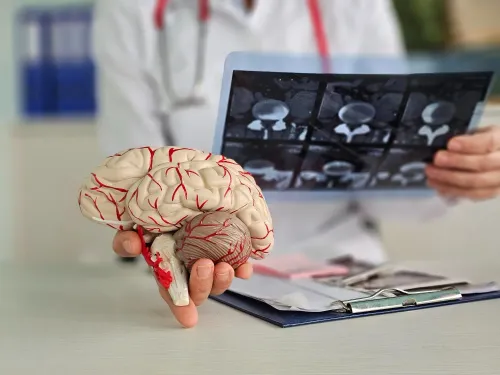

Stroke and brain aneurysm are different medical conditions, but both can involve the blood vessels supplying the brain and may require urgent specialist assessment. Understanding Stroke & Aneurysm warning signs can help families respond appropriately when sudden neurological symptoms develop.
For patients in Bandra and nearby Mumbai neighbourhoods, rapid evaluation is especially important because some treatment decisions depend heavily on time and imaging findings.
What Is a Brain Aneurysm?
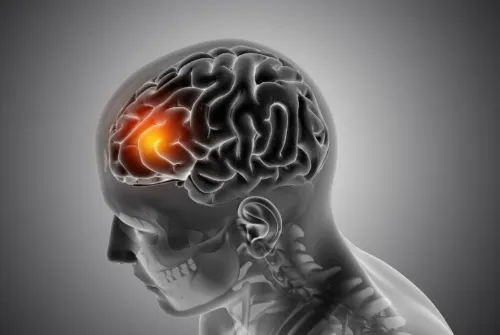
A brain aneurysm is a weakened area in the wall of an intracranial blood vessel that bulges outward.
Many aneurysms may remain unnoticed unless they are discovered during imaging performed for another reason. The major concern is rupture, which can cause bleeding around the brain.
A ruptured aneurysm can present with an extremely sudden and severe headache.
Other possible symptoms include:
- Vomiting
- Neck stiffness
- Loss of consciousness
- Seizures
- Confusion
- Neurological weakness
These symptoms require immediate medical attention.
How Is Stroke Different?
Stroke broadly occurs when blood supply to part of the brain is interrupted or when bleeding occurs in the brain.
An ischemic stroke results from blocked blood flow, while a hemorrhagic stroke results from bleeding.
Sudden facial weakness, arm weakness, speech difficulty, visual changes, or loss of coordination can be warning signs.
When Does an Aneurysm Need Treatment?
Not every unruptured aneurysm requires immediate intervention.
Doctors assess factors such as:
- Size
- Location
- Shape
- Evidence of growth
- Patient age
- Medical history
- Previous bleeding
- Overall rupture risk
Some aneurysms may be monitored with periodic imaging, while others may require treatment.
The appropriate approach depends on vascular anatomy and individual risk.
Where Does Neurosurgery Fit Into Stroke Care?
Most strokes do not automatically require neurosurgery. However, neurosurgical assessment can become important when there is substantial bleeding, severe brain swelling, hydrocephalus, aneurysm rupture, or another structural problem requiring intervention.
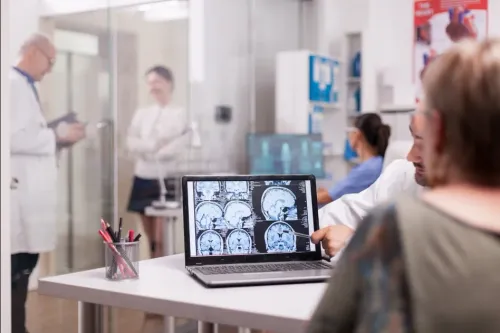
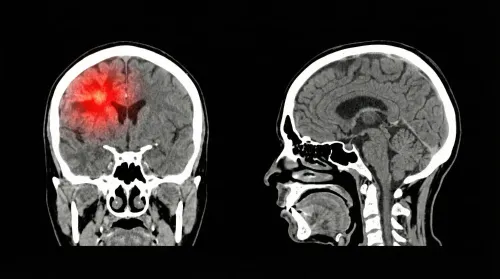
Dr. Anshu Warade evaluates Stroke & Aneurysm cases by considering neurological status together with CT, MRI, angiographic imaging, and other relevant findings.
The purpose is to determine whether surgical intervention has a role and which approach is appropriate for the specific vascular problem.
Questions Families Should Understand
When an aneurysm or complex stroke has been identified, families should understand what the imaging shows, whether immediate treatment is necessary, what the proposed procedure aims to achieve, and what monitoring will follow.
Recovery requirements also vary. Some patients may need neurological rehabilitation for movement, speech, swallowing, or cognitive difficulties.
For families in Bandra and other parts of Mumbai, Maharashtra, timely assessment and coordinated follow-up are important components of neurological care.
Stroke and aneurysm treatment cannot be reduced to one procedure. The type of vascular problem, its location, neurological effects, and overall health of the patient guide treatment decisions. Evaluation with Dr. Anshu Warade can help patients and families understand these factors and the role neurosurgical treatment may have in the individual case.
Keywords