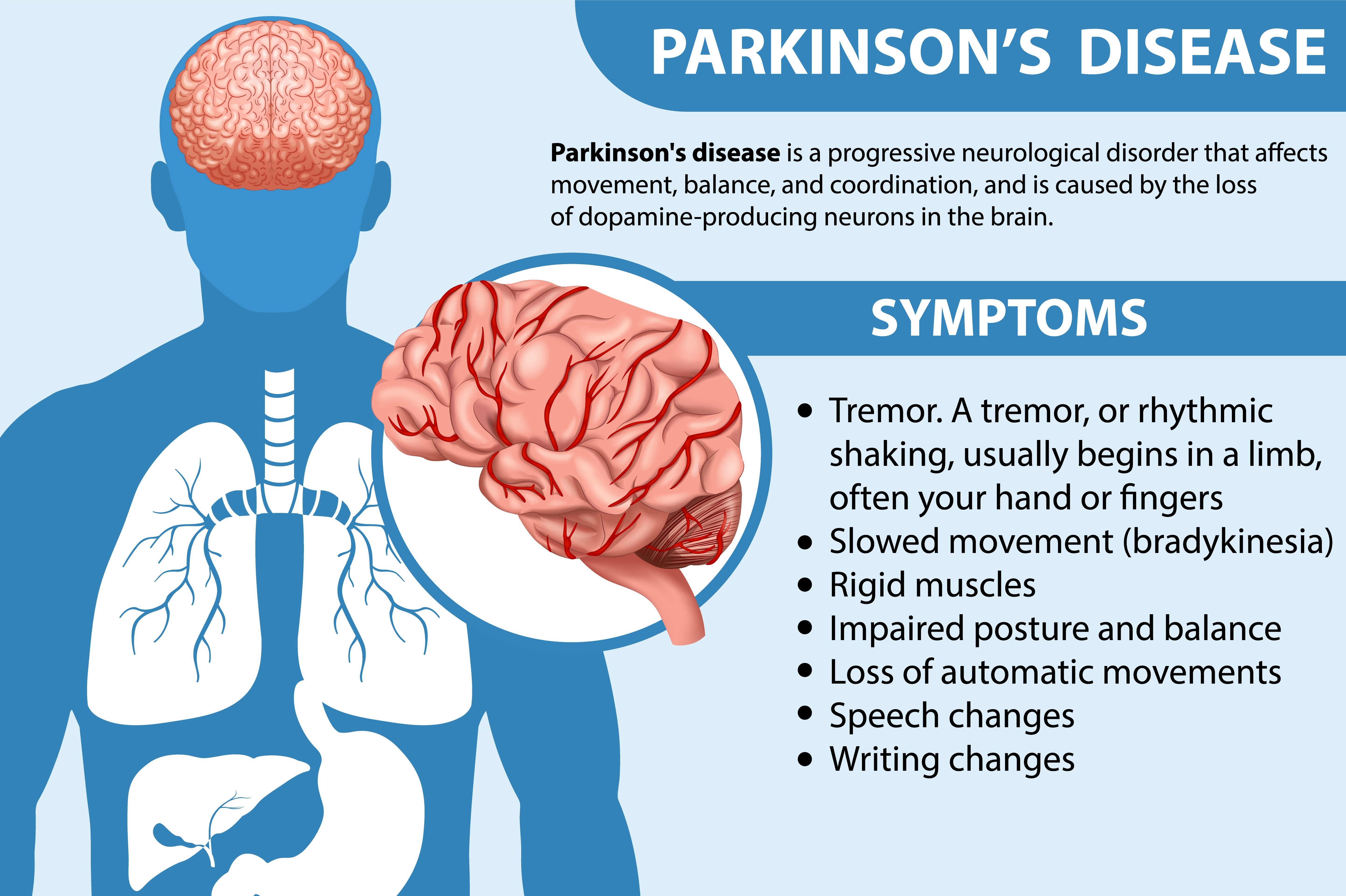
Parkinson's disease is a progressive neurological disorder that mainly affects movement. Tremors, muscle stiffness, slow movements, and balance difficulties often become more noticeable over time, making routine activities increasingly challenging. While medications remain the primary treatment for many patients, Parkinson's Disease Surgery may be considered for carefully selected individuals whose symptoms are no longer adequately controlled.
It is important to understand that surgery is not the first treatment option for Parkinson's disease. Instead, it is evaluated after detailed neurological assessment and only when specific clinical criteria are met.
Understanding Parkinson's Disease
Parkinson's disease occurs due to gradual loss of dopamine-producing nerve cells in specific areas of the brain.
Common symptoms include:
- Tremors
- Slowness of movement
- Muscle rigidity
- Balance problems
- Difficulty walking
- Small handwriting
- Reduced facial expression
- Soft speech
Symptoms usually progress gradually and vary from one person to another.
When Medicines Become Less Effective
Many patients experience significant improvement with medications during the early years after diagnosis. Over time, however, some individuals develop:
- Wearing-off effects
- Fluctuating symptom control
- Involuntary movements (dyskinesias)
- Reduced medication response
- Increasing difficulty performing daily tasks
At this stage, neurological specialists may discuss whether surgical treatment could be appropriate.
Who May Be Suitable for Surgery?
Not every person with Parkinson's disease is a candidate for surgery.
Selection usually depends on:
- Duration of illness
- Response to medication
- Overall health
- Cognitive function
- Brain imaging findings
- Severity of movement symptoms
A multidisciplinary evaluation is often performed before recommending surgery.
Surgical Options
One of the most commonly performed procedures is Deep Brain Stimulation (DBS).
In this treatment:
- Thin electrodes are placed in specific brain regions.
- A pulse generator delivers controlled electrical stimulation.
- Brain signals contributing to abnormal movements are modified.
The procedure does not cure Parkinson's disease, but it may improve symptom control in appropriately selected patients.
Expected Benefits
Potential improvements after surgery may include:
- Reduced tremors
- Better movement control
- Lower medication requirements
- Improved quality of life
- Better daily functioning
- Reduced movement fluctuations
Results vary depending on disease progression and individual medical factors.
Recovery After Surgery
Recovery involves more than the operation itself.
Patients usually require:
- Device programming
- Medication adjustments
- Physiotherapy
- Regular neurological follow-up
- Lifestyle guidance
Long-term care remains an important part of successful management.
Residents of Mahim seeking evaluation for advanced Parkinson's disease often benefit from comprehensive neurological assessment before considering surgical intervention. Dr. Anshu Warade carefully evaluates each patient's symptoms, medical history, imaging, and response to medications before discussing whether Parkinson's Disease Surgery may be an appropriate option. Treatment decisions are always individualized and based on established clinical guidelines.
Living with Parkinson's disease can be challenging, but advances in neurological care have expanded treatment possibilities for suitable patients. Understanding when surgery may be beneficial allows patients and families to make informed decisions while continuing comprehensive long-term neurological care.