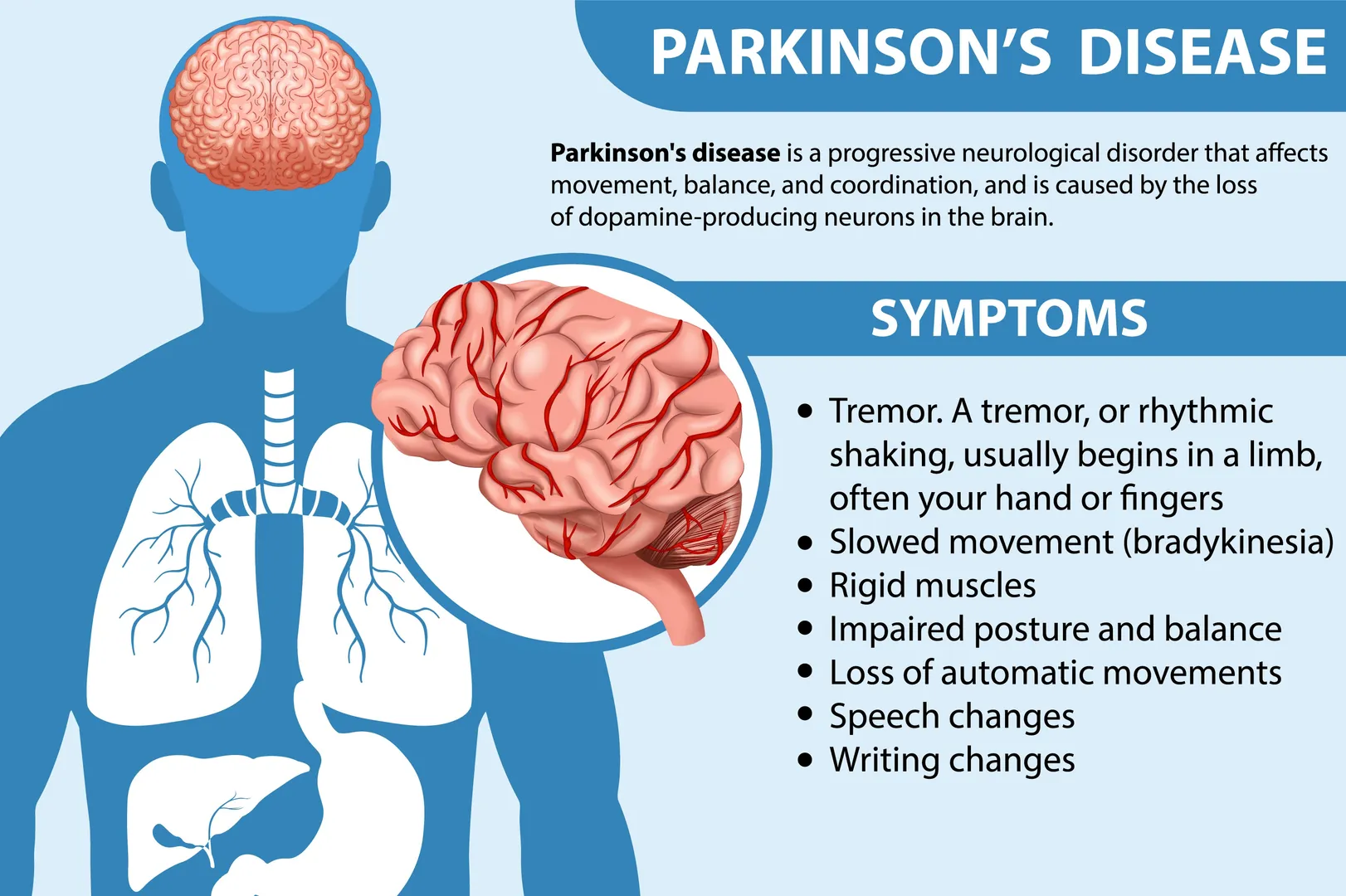
Parkinson's disease is commonly managed with medication, lifestyle support, physiotherapy, and neurological follow-up. However, some patients experience changes in symptom control over time despite carefully managed medication. In selected cases, Parkinson’s Disease Surgery may then become part of the treatment discussion.
For patients and families in Mahim, understanding when surgical evaluation is considered can help set realistic expectations.
Why Surgery May Enter the Treatment Discussion
Medication remains an important part of Parkinson's disease management. As the condition progresses, however, some people develop significant fluctuations in how well medication controls their symptoms.
They may experience periods when movement improves and other periods when stiffness, tremor, or slowness becomes more prominent.
Some patients can also develop involuntary movements associated with medication.
Surgical treatment is generally considered only after detailed evaluation and is not appropriate for every person with Parkinson's disease.
What Is Deep Brain Stimulation?
One of the established surgical approaches for selected Parkinson's disease patients is deep brain stimulation, commonly known as DBS.
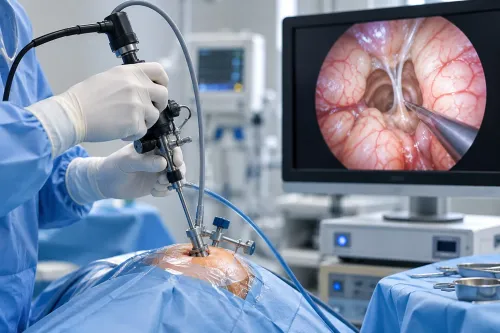
The procedure involves placing electrodes in carefully selected areas of the brain. These electrodes are connected to a stimulation system that delivers controlled electrical impulses.
The objective is to influence brain circuits involved in movement.
DBS does not eliminate Parkinson's disease. Instead, it may be considered to help manage certain motor symptoms in appropriately selected patients.
Who May Be Evaluated for Surgery?
Assessment usually considers several factors, including:
- Type and severity of symptoms
- Response to Parkinson's medication
- Duration of the condition
- Presence of medication-related fluctuations
- General medical condition
- Cognitive and psychological health
- Functional difficulties affecting everyday activities
These factors are evaluated together rather than individually.
Why Patient Selection Is Important
Two people with Parkinson's disease may have very different symptoms and treatment requirements. Tremor may dominate in one patient, while another may struggle primarily with stiffness, slowed movement, or medication fluctuations.
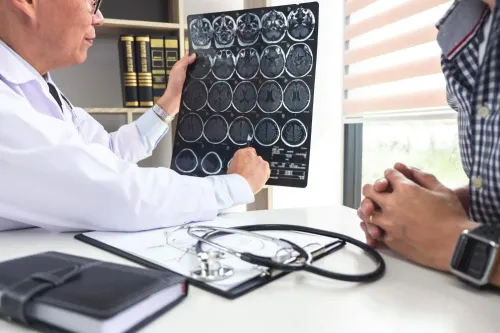
Dr. Anshu Warade evaluates patients being considered for Parkinson’s Disease Surgery by reviewing neurological findings, previous treatment response, imaging where required, and overall suitability for neurosurgical intervention.
In many cases, treatment planning also involves coordination between neurology and neurosurgery.
What Happens After Surgery?
Surgical treatment is one stage of ongoing Parkinson's care rather than the end of treatment.
Patients undergoing DBS generally require follow-up for stimulation programming and continued neurological management. Medication may also continue, depending on individual requirements.
Families in Mahim and neighbouring parts of Mumbai, Maharashtra, should therefore consider the long-term follow-up involved when discussing surgical options.
Parkinson's disease surgery is a specialised treatment pathway intended for carefully selected patients. A detailed evaluation with Dr. Anshu Warade can help determine whether surgery is appropriate, what it may realistically address, and how it fits within the patient's broader Parkinson's disease management plan.
Keywords