
Advances in neurosurgery have made it possible to treat certain brain conditions using techniques that require smaller surgical openings than traditional procedures. One such advancement is Endoscopic Brain Surgery, a minimally invasive approach that allows surgeons to access selected areas of the brain with the help of a high-definition endoscope. Although it is not suitable for every neurological condition, this technique has become an important option for carefully selected patients.
The primary objective of endoscopic brain surgery is to provide effective treatment while minimizing disruption to surrounding healthy tissue. Treatment decisions are always based on the patient's diagnosis, overall health, imaging findings, and the location of the condition being treated.
What Is Endoscopic Brain Surgery?
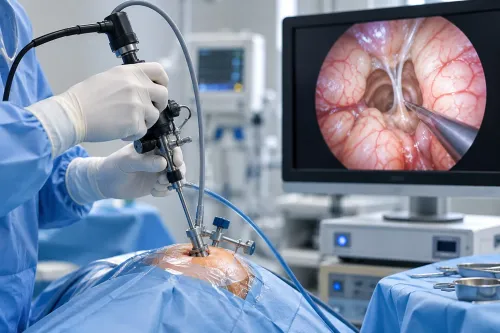
Endoscopic brain surgery involves the use of a thin instrument fitted with a camera and specialized surgical tools. The endoscope provides a magnified view of the surgical area, allowing the neurosurgeon to perform certain procedures through smaller openings.
This approach may be considered for selected conditions such as:
- Certain brain tumors
- Hydrocephalus
- Colloid cysts
- Ventricular lesions
- Some skull base abnormalities
- Selected cerebrospinal fluid pathway disorders
Not every brain condition can be treated endoscopically, and suitability is determined after a detailed evaluation.
Benefits of a Minimally Invasive Approach
When clinically appropriate, endoscopic surgery may offer several advantages compared with conventional open surgery.
Potential benefits include:
- Smaller surgical incision
- Reduced disruption to healthy tissue
- Better visualization of deep structures
- Shorter hospital stay in selected cases
- Reduced postoperative discomfort
- Faster return to routine activities for some patients
These benefits vary depending on the complexity of the condition and the patient's overall health.
How Is a Patient Evaluated?
Careful planning is essential before any brain surgery.
The evaluation generally includes:
- Detailed neurological examination
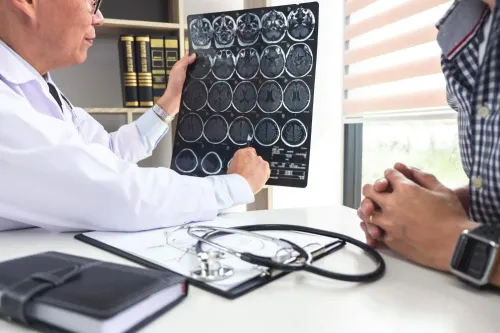
- MRI brain
- CT scan when required
- Review of medical history
- Assessment of neurological symptoms
- Discussion of treatment goals and expectations
The treating neurosurgeon determines whether an endoscopic approach is likely to provide the safest outcome.
What Happens During Recovery?
Recovery after endoscopic brain surgery depends on the underlying condition and the extent of the procedure.
Patients are typically monitored for:
- Neurological function
- Pain control
- Signs of infection
- Balance and coordination
- Vision or speech changes
- Healing progress
Follow-up appointments and repeat imaging may be recommended to assess recovery and long-term results.
Residents of Matunga who require evaluation for complex neurological conditions often benefit from consulting a specialist familiar with modern surgical techniques. Dr. Anshu Warade carefully assesses whether Endoscopic Brain Surgery is suitable for an individual's condition by considering imaging findings, neurological examination, and overall treatment goals. Every recommendation is based on established clinical practice rather than a routine preference for surgery.
Medical technology continues to improve the precision of neurosurgical procedures. For carefully selected patients, minimally invasive techniques may offer an effective treatment option while maintaining a strong focus on patient safety and long-term neurological outcomes.
Keywords