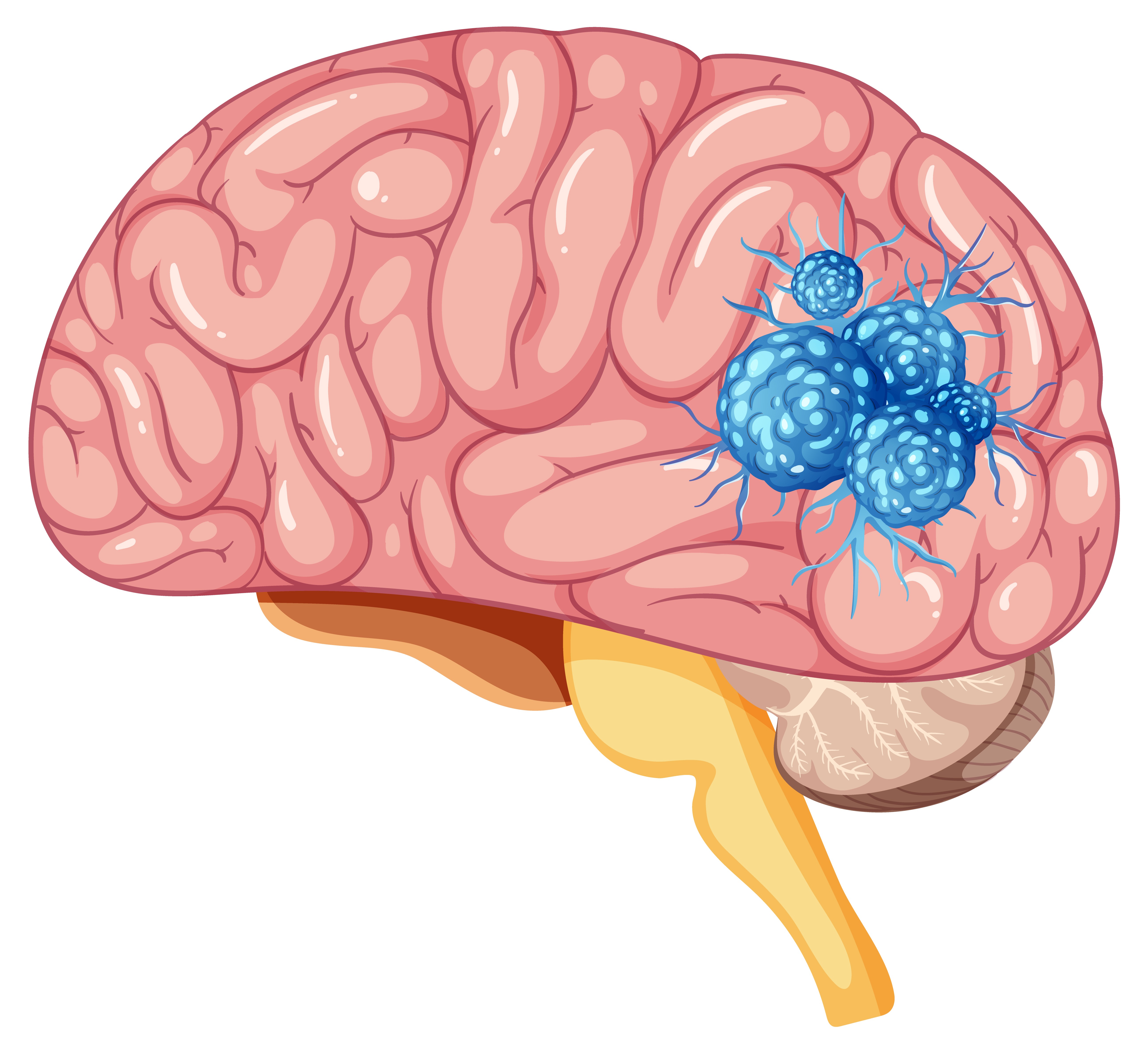
A brain tumor diagnosis often brings many questions and concerns for patients and their families. One of the first things people want to know is whether surgery is necessary and what recovery might involve. While every case is unique, modern Brain Tumor Surgery (Benign & Malignant) has advanced considerably, allowing many patients to receive safe, carefully planned treatment based on the location, size, and type of tumor.
Brain tumors may be classified as benign or malignant. A benign tumor does not spread to other parts of the body, but it can still place pressure on important areas of the brain and cause significant symptoms. Malignant tumors tend to grow more aggressively and often require a combination of treatments. The goal of surgery depends on the diagnosis and may include removing the entire tumor, reducing its size, or obtaining tissue for laboratory analysis.
Common Symptoms That May Lead to Diagnosis
Brain tumors can affect different parts of the brain, which means symptoms vary from person to person. Some of the commonly reported signs include:
- Persistent headaches that gradually worsen
- Seizures in someone without a previous history
- Weakness in an arm or leg
- Vision or hearing disturbances
- Difficulty speaking or understanding language
- Problems with balance and coordination
- Memory or personality changes
- Nausea associated with increased pressure inside the skull
These symptoms do not always indicate a brain tumor, but they should be evaluated if they continue or become more severe.
How Brain Tumors Are Diagnosed
Diagnosis begins with a detailed neurological examination followed by imaging studies such as MRI or CT scans. These investigations help determine the location, size, and characteristics of the tumor.
Additional tests may include:
- Contrast-enhanced MRI
- Functional MRI for planning surgery
- MR spectroscopy in selected cases
- Blood investigations
- Biopsy when appropriate
Accurate diagnosis helps the treating team determine the safest and most effective treatment plan.
When Is Surgery Recommended?
Surgery may be advised when:
- The tumor is causing neurological symptoms.
- Pressure inside the brain is increasing.
- Tissue diagnosis is required.
- The tumor can be safely removed.
- Reducing tumor size may improve other treatments such as radiation or chemotherapy.
The extent of surgery depends on how closely the tumor is associated with important brain structures.
Recovery After Brain Tumor Surgery
Recovery differs from one patient to another. Factors influencing recovery include the type of tumor, its location, age, overall health, and the complexity of the procedure.
Recovery usually includes:
- Close neurological monitoring
- Pain management
- Early mobilization
- Physiotherapy when needed
- Follow-up imaging
- Long-term review with the treating team
Some patients recover quickly, while others benefit from rehabilitation programs to improve strength, speech, or coordination.
People living in Bandra often seek specialist evaluation when neurological symptoms require advanced investigation. Dr. Anshu Warade assesses each patient carefully before discussing whether Brain Tumor Surgery (Benign & Malignant) is appropriate. Treatment recommendations are based on clinical findings, imaging results, and individual health considerations rather than a routine surgical approach.
A brain tumor diagnosis can feel overwhelming, but advances in imaging, surgical techniques, and multidisciplinary care have significantly improved treatment planning. Early evaluation allows patients to understand their condition clearly and make informed decisions with their medical team.