Should You Consult a Neurosurgeon?
Headaches, back pain, numbness in the limbs, or frequent dizziness are often dismissed as temporary health issues. While many of these symptoms are caused by common conditions, some may point to problems involving the brain, spine, or nervous system. Knowing when to consult the Best Neurosurgeon can help ensure that serious neurological conditions are identified and managed at the right time.
A neurosurgeon specializes in diagnosing and treating disorders affecting the brain, spinal cord, nerves, and related structures. Contrary to common belief, visiting a neurosurgeon does not always mean surgery will be required. Many neurological conditions are first evaluated thoroughly, and treatment may include observation, medication, rehabilitation, or minimally invasive procedures depending on the diagnosis.
Symptoms That Should Not Be Ignored
Certain warning signs deserve medical evaluation, especially if they persist or become more severe over time. These include:
- Persistent or worsening headaches
- Frequent episodes of dizziness or loss of balance
- Weakness in the arms or legs
- Tingling or numbness that does not improve
- Neck pain associated with arm weakness
- Severe lower back pain with leg numbness
- Difficulty speaking or sudden confusion
- Unexplained seizures
- Loss of bladder or bowel control with spinal pain
Although these symptoms may have different causes, timely neurological assessment helps determine whether they are related to conditions affecting the nervous system.
Conditions Commonly Managed by Neurosurgeons
Neurosurgeons evaluate and treat a wide range of disorders, including:
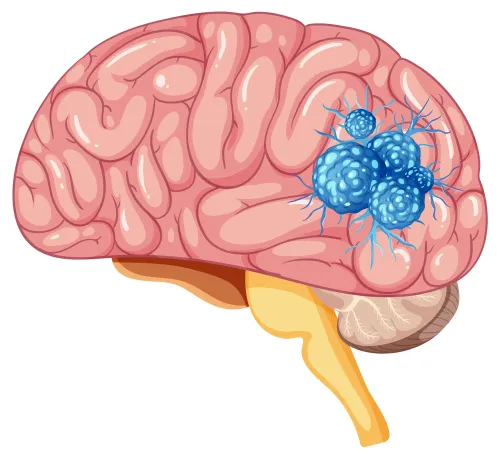
- Brain tumors
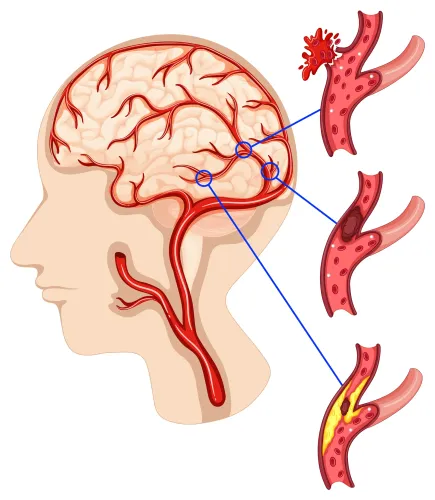
- Stroke-related complications
- Traumatic brain injuries
- Spinal disc disorders
- Spinal cord compression
- Peripheral nerve disorders
- Hydrocephalus
- Brain hemorrhage
- Congenital neurological abnormalities
Each condition requires careful clinical examination and appropriate imaging studies before a treatment plan is recommended.
How Diagnosis Is Performed
Modern neurological diagnosis combines medical history, physical examination, and advanced imaging techniques. Depending on symptoms, investigations may include:
- MRI scans
- CT scans
- Nerve conduction studies
- Electromyography (EMG)
- Blood investigations
- Neurological function assessment
Accurate diagnosis allows treatment to be tailored according to the severity and progression of the condition.
Does Every Patient Need Surgery?
One of the biggest misconceptions is that consulting a neurosurgeon automatically leads to surgery. In reality, many patients benefit from conservative management.
Treatment recommendations may include:
- Observation with regular follow-up
- Medicines
- Physiotherapy
- Lifestyle modifications
- Pain management procedures
- Image-guided interventions
- Surgery only when clearly indicated
The decision depends on factors such as symptom severity, neurological deficits, imaging findings, and overall health.
Importance of Early Evaluation
Neurological disorders often progress gradually. Delaying evaluation can sometimes allow symptoms to worsen and reduce available treatment options.
- Early assessment may help:
- Prevent permanent nerve damage
- Preserve movement and function
- Reduce pain
- Improve recovery after treatment
- Detect serious conditions before complications develop
People experiencing sudden neurological symptoms such as weakness, difficulty speaking, severe headache, or loss of consciousness should seek immediate emergency medical care.
Residents in Dadar and nearby areas often prefer consulting specialists who understand both emergency neurological care and long-term management. Dr. Anshu Warade evaluates patients with a comprehensive clinical approach, focusing on accurate diagnosis before discussing suitable treatment options. Care is planned according to individual medical needs rather than following a one-size-fits-all approach.
Understanding the difference between routine discomfort and symptoms that require specialist attention can make a significant difference. If neurological symptoms persist or interfere with daily life, consulting the Best Neurosurgeon in Dadar can help identify the underlying cause and provide appropriate guidance for further treatment.