The brain controls every movement, thought, memory, and body function. Even minor disturbances in brain function can sometimes produce noticeable symptoms, while more serious neurological conditions may develop gradually without obvious warning signs. Knowing when to seek evaluation from the Best Brain Doctor helps ensure timely diagnosis and appropriate treatment when needed.
Many people associate brain disorders only with severe illnesses, but neurological symptoms can appear in various ways. Some may develop suddenly, while others progress slowly over weeks or months. Paying attention to persistent changes can help prevent unnecessary delays in treatment.
Common Symptoms That May Need Brain Assessment
Several neurological symptoms deserve medical attention, particularly when they continue despite routine treatment.
These include:
- Persistent headaches
- Frequent vomiting with headache
- Memory problems
- Sudden weakness
- Difficulty speaking
- Loss of balance
- Double vision
- Recurrent seizures
- Changes in personality
- Difficulty concentrating
While these symptoms are not always caused by brain disease, they should not be ignored if they persist or worsen.
Possible Causes
Brain-related symptoms may occur because of various medical conditions such as:
- Brain tumors
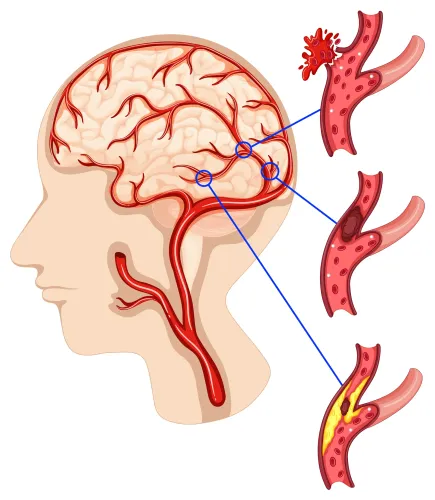
- Stroke
- Brain infections
- Epilepsy
- Traumatic brain injury
- Hydrocephalus
- Brain hemorrhage
- Degenerative neurological disorders
Proper medical evaluation helps identify the exact cause rather than relying solely on symptoms.
Diagnostic Process
Brain disorders require careful assessment before treatment decisions are made.
Evaluation usually includes:
- Detailed medical history
- Neurological examination
- Brain imaging
- Laboratory investigations when necessary
- Assessment of cognitive and motor function
MRI and CT scans often provide valuable information about structural abnormalities, while neurological examination evaluates how the brain is functioning.
When Is Surgery Considered?
Brain surgery is recommended only for carefully selected conditions where surgical treatment offers clear benefit.
Examples include:
- Certain brain tumors
- Bleeding inside the brain
- Raised pressure due to swelling
- Some forms of epilepsy
- Hydrocephalus requiring shunt procedures
Many neurological disorders continue to be managed successfully without surgery through medication, rehabilitation, and long-term monitoring.
Everyday Habits That Support Brain Health
Although not every neurological disease can be prevented, healthy lifestyle choices contribute to overall brain function.
Helpful habits include:
- Managing blood pressure
- Controlling diabetes
- Avoiding tobacco
- Limiting alcohol intake
- Exercising regularly
- Sleeping adequately
- Maintaining a balanced diet
- Seeking prompt treatment after head injuries
These measures also reduce the risk of stroke and other neurological complications.
People living in Matunga often look for experienced specialists when unexplained neurological symptoms affect daily activities. Dr. Anshu Warade provides comprehensive neurological evaluation, carefully reviewing symptoms, examination findings, and imaging before recommending suitable treatment options. Every patient receives an individualized management plan based on clinical findings.
Persistent headaches, repeated fainting, weakness, or memory changes should never be considered a normal part of aging without proper evaluation. Consulting the Best Brain Doctor in Matunga allows underlying neurological conditions to be identified early, supporting timely treatment and better long-term outcomes.