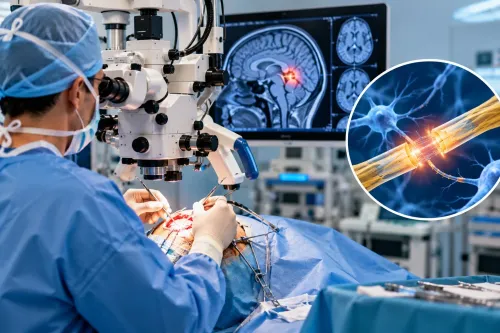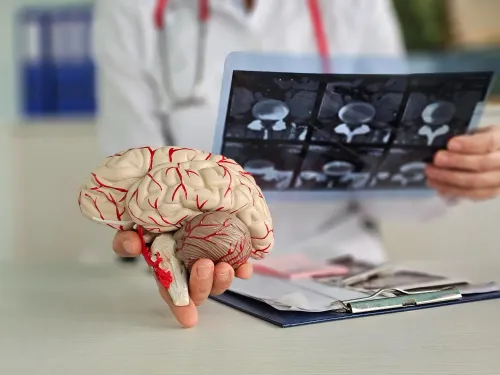
A brain tumour diagnosis can immediately raise questions about surgery, recovery, and long-term health. Yet brain tumours vary considerably in their location, size, growth pattern, and biological behaviour. For this reason, Brain Tumor Surgery (Benign & Malignant) requires individual planning rather than a single standard approach.
Patients in Bandra who receive an abnormal brain scan can benefit from understanding what surgeons evaluate before recommending treatment.
Benign Does Not Always Mean Harmless
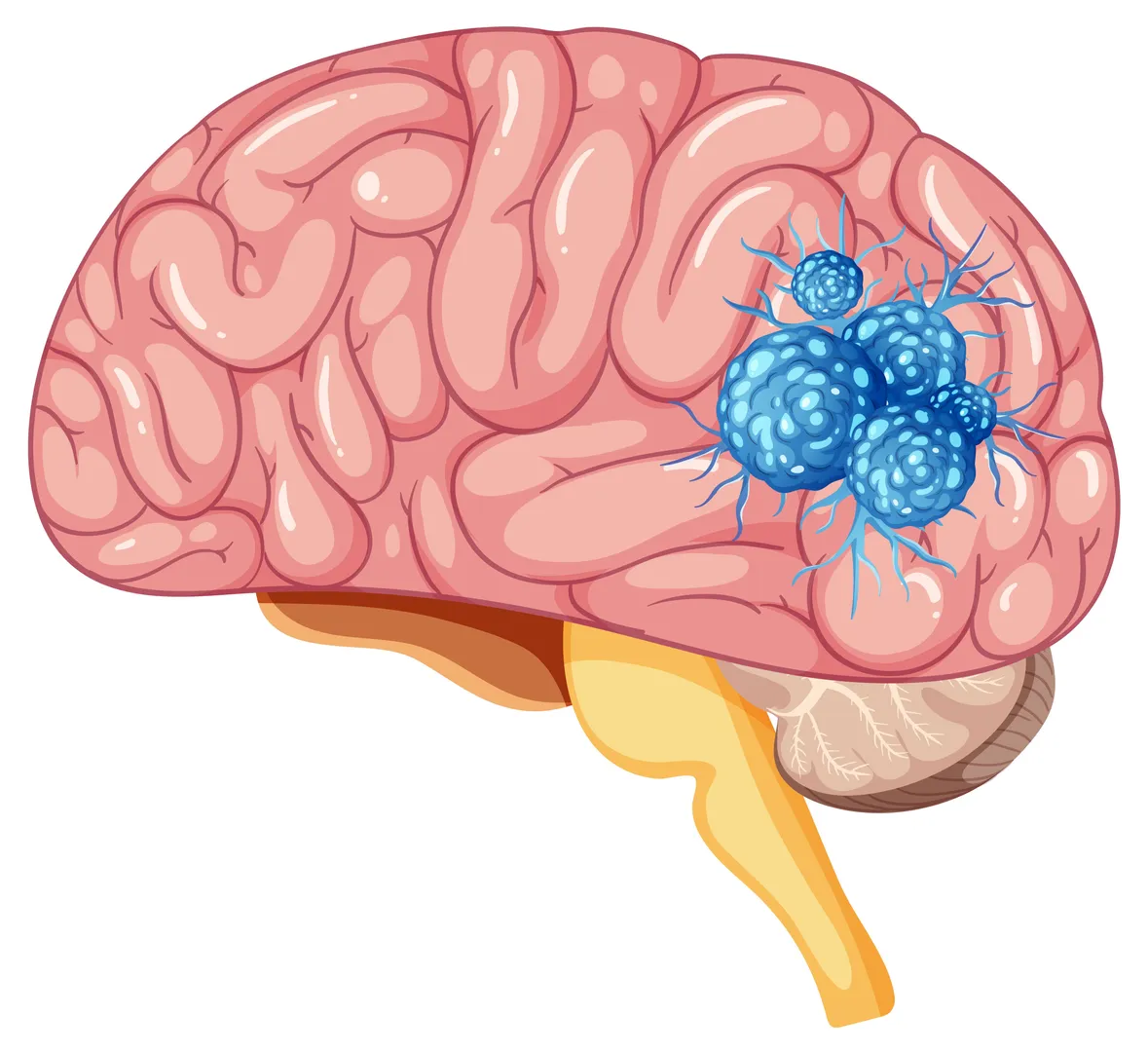
Benign brain tumours are generally non-cancerous, but their location can still create problems.
Because the skull provides limited space, even a slowly growing tumour can place pressure on important areas of the brain. Depending on its location, symptoms may include headaches, seizures, weakness, vision changes, hormonal disturbances, or problems with balance.
Malignant tumours behave differently and may grow or spread more aggressively within brain tissue.
The treatment strategy therefore depends on more than whether a tumour is labelled benign or malignant.
What Determines Whether Surgery Is Needed?
Neurosurgeons evaluate several factors before recommending an operation:
- Tumour size
- Exact location
- Symptoms
- Growth pattern
- Patient's age and general health
- Relationship to critical brain structures
- Imaging characteristics
- Likely tumour type
Sometimes monitoring with repeat imaging may be appropriate. In other situations, obtaining tissue for diagnosis or removing part or all of the tumour may be considered.
Complete Removal Is Not Always the Only Goal
People often assume that successful brain tumour surgery must mean removing the entire tumour.
In reality, surgical planning balances tumour removal with preservation of neurological function.
If a tumour lies close to areas controlling movement, language, vision, or other important functions, attempting complete removal may carry additional risk.
Dr. Anshu Warade assesses these anatomical considerations while planning Brain Tumor Surgery (Benign & Malignant). Modern imaging and surgical techniques help neurosurgeons plan access to the tumour while considering surrounding brain structures.
What Happens After Tumour Removal?
Removed tissue is generally examined by a pathologist. The resulting diagnosis helps determine what happens next.
Depending on the tumour, follow-up may involve:
- Repeat imaging
- Neurological monitoring
- Rehabilitation
- Oncology consultation
- Radiotherapy or other treatment when indicated
The postoperative pathway therefore differs substantially between patients.
Preparing for the Consultation
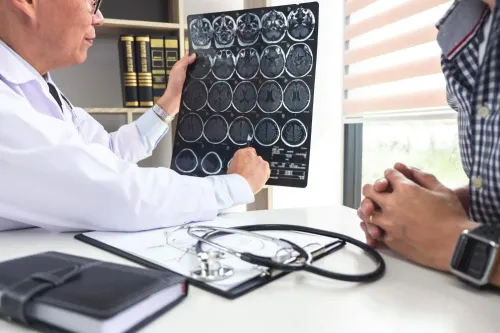
Patients in Bandra and other parts of Mumbai, Maharashtra, can make consultations more useful by bringing previous MRI or CT scans, reports, medication details, and relevant medical records.
Writing down questions beforehand can also help families understand the proposed treatment.
Brain tumour treatment is rarely based on a single scan finding. Location, pathology, symptoms, neurological function, and individual health all influence the decision. A consultation with Dr. Anshu Warade can help patients understand the findings and determine what role surgery may have in their overall treatment plan.
Keywords