

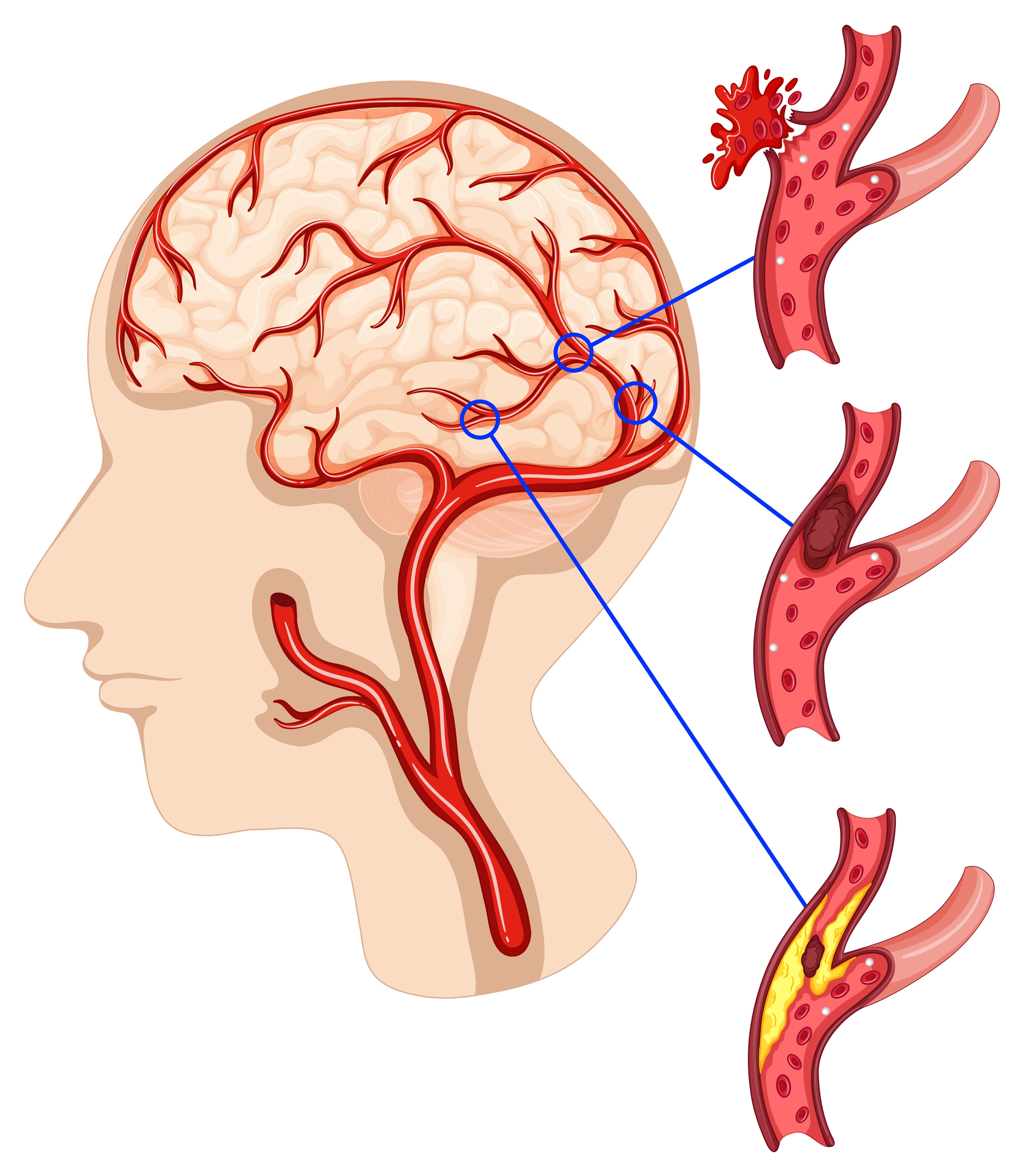
Bleeding inside the skull is a medical emergency that requires rapid diagnosis and treatment. Intracranial hemorrhage can develop suddenly after an injury or occur spontaneously because of underlying medical conditions such as high blood pressure or vascular abnormalities. In selected cases, Intracranial Hemorrhage or Clot Removal surgery becomes necessary to reduce pressure on the brain and protect neurological function.
Because the brain is enclosed within the skull, even a small amount of bleeding can increase pressure and interfere with normal brain activity. Early medical intervention plays a crucial role in improving outcomes.
What Causes Intracranial Hemorrhage?
Several conditions can lead to bleeding inside the brain or surrounding tissues, including:
- High blood pressure
- Head injuries
- Ruptured aneurysms
- Blood vessel abnormalities
- Blood clotting disorders
- Certain medications
- Brain tumors in some cases
Identifying the underlying cause is an important part of treatment planning.
Warning Signs That Need Emergency Care
Symptoms often appear suddenly and may include:
- Severe headache
- Sudden weakness
- Difficulty speaking
- Loss of balance
- Confusion
- Vision changes
- Seizures
- Reduced consciousness
- Persistent vomiting
Anyone experiencing these symptoms should receive emergency medical evaluation without delay.
How Is the Condition Diagnosed?
Doctors usually perform immediate brain imaging to confirm the diagnosis.
Common investigations include:
- Emergency CT scan
- MRI brain
- CT angiography when necessary
- Blood investigations
- Neurological examination
These tests help determine the size, location, and cause of the bleeding.
When Is Clot Removal Surgery Recommended?
Surgery may be considered if:
- The clot is large.
- Brain pressure is increasing.
- Neurological function is deteriorating.
- The location of bleeding is suitable for surgical treatment.
- Conservative treatment is unlikely to provide adequate improvement.
The exact procedure depends on the patient's clinical condition and imaging findings.
Recovery and Rehabilitation
Recovery following intracranial hemorrhage varies considerably.
Management often includes:
- Intensive monitoring
- Blood pressure control
- Rehabilitation therapy
- Speech therapy if required
- Physiotherapy
- Follow-up neurological assessment
Some patients recover fully, while others require longer rehabilitation to regain independence.
People living in Santacruz often seek specialist neurological care when stroke symptoms or sudden neurological emergencies occur. Dr. Anshu Warade evaluates patients using advanced diagnostic techniques to determine whether Intracranial Hemorrhage or Clot Removal surgery is appropriate. Treatment decisions focus on preserving neurological function while minimizing potential complications.
Recognizing symptoms early and reaching a medical facility without delay remain the most effective ways to improve outcomes. Rapid diagnosis allows the treating team to choose the safest and most suitable treatment based on each patient's individual condition.


