Back pain affects people of all ages, but not every case requires surgery. Many individuals improve with medication, physiotherapy, posture correction, and lifestyle changes. However, when pain is caused by structural problems such as a slipped disc or nerve compression and conservative treatment is no longer effective, Endoscopic Spine Surgery may be considered for selected patients.
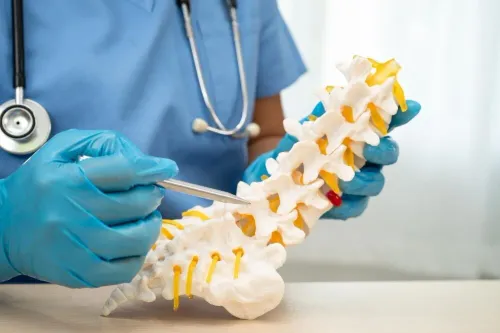
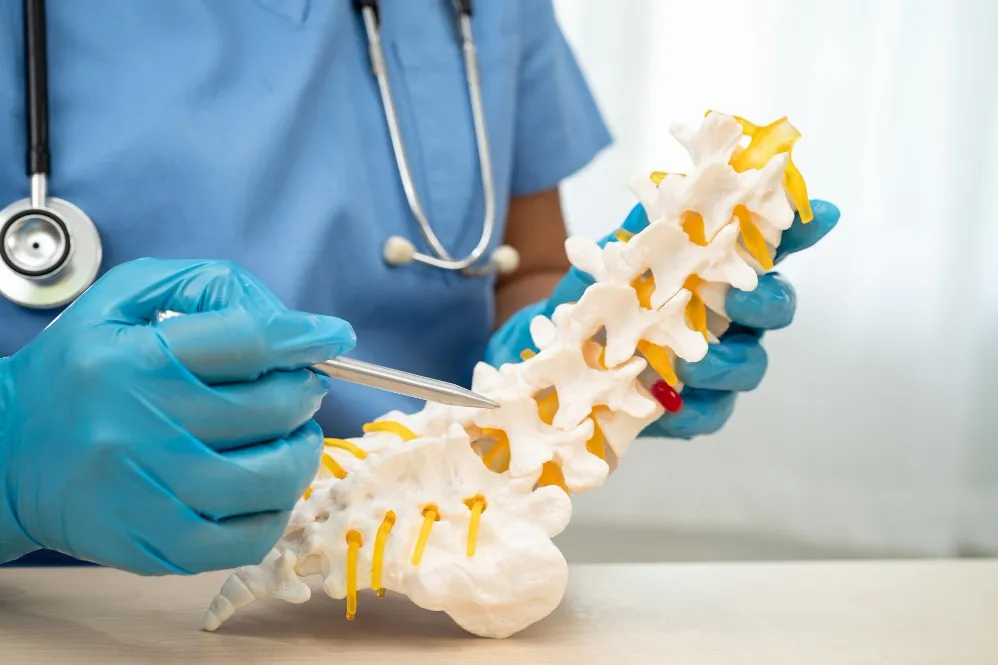
Endoscopic spine surgery is a minimally invasive technique that allows surgeons to access specific areas of the spine through a small incision using an endoscope and specialized instruments. It is designed to treat carefully selected spinal conditions while minimizing disruption to surrounding muscles and tissues.
Conditions That May Benefit from Endoscopic Spine Surgery
Not every spinal disorder is suitable for this procedure. It may be considered in selected cases involving:
- Lumbar disc prolapse
- Herniated disc
- Sciatica caused by nerve compression
- Certain spinal stenosis cases
- Persistent nerve root compression
- Recurrent leg pain associated with disc disease
A detailed evaluation is required before deciding whether this technique is appropriate.
Symptoms That Should Be Evaluated
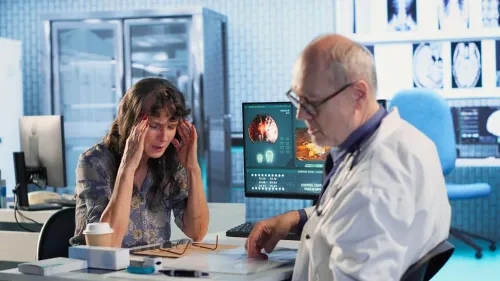
People experiencing the following symptoms should seek medical assessment:
- Persistent lower back pain
- Pain radiating to one or both legs
- Numbness or tingling
- Muscle weakness
- Difficulty walking because of nerve pain
- Symptoms that continue despite several weeks of conservative treatment
These symptoms may indicate compression of spinal nerves that requires further investigation.
Diagnostic Assessment
Before recommending surgery, doctors usually perform:
- Clinical examination
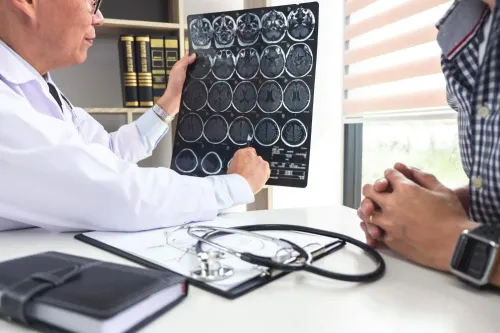
- MRI of the spine
- X-rays when required
- Neurological assessment
- Review of previous treatments
The findings help determine whether surgery is necessary and whether an endoscopic approach is feasible.
Advantages of the Procedure
For suitable patients, endoscopic spine surgery may provide:
- Smaller incision
- Less muscle disruption
- Reduced blood loss
- Earlier mobilization
- Shorter hospital stay in many cases
- Faster recovery compared with some conventional procedures
The outcome depends on careful patient selection and adherence to postoperative rehabilitation.
Recovery and Rehabilitation
Successful recovery involves more than the operation itself.
Patients are commonly advised to:
- Follow physiotherapy recommendations
- Maintain proper posture
- Avoid heavy lifting during recovery
- Perform prescribed exercises
- Attend scheduled follow-up visits
These measures help improve spinal function and reduce the risk of future problems.
People living in Mahim who experience persistent back pain with nerve-related symptoms may benefit from a specialist evaluation before considering surgery. Dr. Anshu Warade carefully reviews imaging findings, neurological examination, and previous treatment outcomes before determining whether Endoscopic Spine Surgery is an appropriate option. Treatment recommendations are always individualized according to the patient's condition and functional needs.
Understanding the available treatment options allows patients to make informed decisions about spinal health. Early assessment can also help prevent prolonged nerve compression and support better recovery when intervention is necessary.
Keywords