A stroke is one of the most time-sensitive medical emergencies, and early treatment can significantly influence recovery. While many people are treated with medicines and supportive care, some patients may benefit from Stroke-related Surgical Interventions depending on the type of stroke, its severity, and the underlying cause. Understanding when surgery becomes an option helps patients and families make informed decisions during a challenging time.
A stroke occurs when the brain's blood supply is interrupted. This may happen because a blood vessel is blocked (ischemic stroke) or because it ruptures and causes bleeding (hemorrhagic stroke). Both conditions require immediate medical evaluation, although their treatment approaches differ.
Recognizing the Warning Signs
Quick identification of stroke symptoms is critical. The earlier treatment begins, the better the chance of preserving brain function.
Common warning signs include:
- Sudden weakness on one side of the body
- Difficulty speaking or understanding speech
- Drooping of one side of the face
- Sudden loss of vision
- Severe unexplained headache
- Difficulty walking or maintaining balance
- Sudden confusion
- Loss of coordination
The FAST method is widely used:
- F – Face drooping
- A – Arm weakness
- S – Speech difficulty
- T – Time to seek emergency medical care
When Is Surgery Considered?
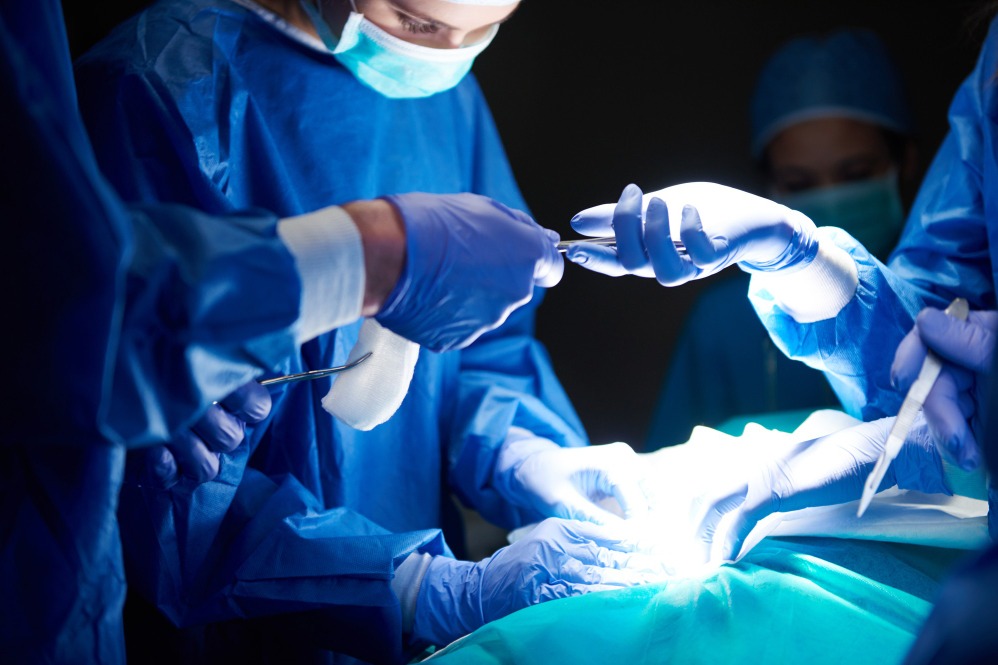
Not every stroke requires surgery. Treatment depends on brain imaging, neurological examination, and the patient's overall condition.
Surgical intervention may be recommended in situations such as:
- Large brain swelling causing pressure
- Bleeding inside the brain
- Removal of blood clots in selected cases
- Repair of bleeding blood vessels
- Relief of pressure within the skull
- Treatment of vascular abnormalities contributing to stroke
The goal is to prevent further brain injury and improve the chances of recovery.
Diagnostic Evaluation Before Treatment
A detailed assessment helps determine the most appropriate management plan.
Investigations commonly include:
- CT scan
- MRI brain
- CT angiography
- Blood investigations
- Neurological examination
- Cardiac evaluation where appropriate
These tests help identify whether the stroke is caused by a blockage or bleeding and guide further treatment.
Recovery After Surgical Treatment
Recovery varies according to the severity of the stroke and the area of the brain affected.
Rehabilitation often includes:
- Physiotherapy
- Speech therapy
- Occupational therapy
- Nutritional support
- Regular neurological follow-up
Consistent rehabilitation plays an important role in improving mobility, communication, and daily functioning.
People in Prabhadevi experiencing sudden neurological symptoms should seek immediate emergency medical care rather than waiting for symptoms to improve on their own. Dr. Anshu Warade evaluates patients with stroke-related conditions using detailed neurological assessment and advanced imaging before determining whether surgical intervention may be appropriate. Treatment decisions are based on individual clinical findings and current medical guidelines.
Although stroke remains a serious medical condition, advances in emergency care, imaging, and neurosurgical techniques have improved treatment options for many patients. Prompt diagnosis continues to be one of the most important factors influencing recovery.
8. Peripheral Nerve Surgery in Worli: Understanding Nerve Compression and Nerve Damage
Peripheral nerves carry messages between the brain, spinal cord, and the rest of the body. When these nerves become compressed, injured, or damaged, they may cause pain, weakness, numbness, or loss of function. Peripheral Nerve Surgery may be recommended in selected cases where conservative treatments no longer provide relief or when nerve injuries require surgical repair.
Many nerve problems develop gradually, while others occur suddenly after accidents or trauma. Understanding the cause of nerve dysfunction helps determine the most suitable treatment approach.
Common Symptoms of Peripheral Nerve Disorders
Symptoms vary depending on which nerve is affected but commonly include:
- Persistent numbness
- Tingling sensations
- Burning pain
- Muscle weakness
- Difficulty gripping objects
- Loss of sensation
- Reduced coordination
- Sharp shooting pain
Ignoring these symptoms for prolonged periods may increase the risk of permanent nerve damage in some conditions.
Conditions That May Require Surgical Evaluation
Peripheral nerve surgery may be considered for conditions such as:
- Nerve compression syndromes
- Traumatic nerve injuries
- Entrapped nerves
- Peripheral nerve tumors
- Chronic nerve pain due to structural compression
Many patients first undergo non-surgical treatment before surgery is discussed.
How Is Nerve Damage Diagnosed?
Accurate diagnosis combines clinical examination with specialized investigations.
Doctors may recommend:
- Nerve conduction studies
- Electromyography (EMG)
- MRI scans
- Ultrasound in selected cases
- Neurological examination
These tests help determine whether symptoms are caused by nerve compression, injury, or another neurological disorder.
Surgical Treatment Options
Depending on the diagnosis, surgery may involve:
- Releasing compressed nerves
- Repairing damaged nerves
- Nerve grafting
- Removing tumors affecting nerves
- Reconstructive procedures after trauma
The type of procedure depends on the location and severity of the nerve injury.
Rehabilitation After Surgery
Recovery is often gradual because nerves regenerate slowly.
Patients may benefit from:
- Physiotherapy
- Hand therapy where appropriate
- Muscle strengthening exercises
- Pain management
- Regular neurological review
Following rehabilitation instructions carefully contributes to better long-term recovery.
Residents of Worli experiencing persistent numbness, weakness, or nerve-related pain should seek medical evaluation rather than assuming symptoms will resolve naturally. Dr. Anshu Warade assesses peripheral nerve disorders through detailed neurological examination and diagnostic testing before recommending whether Peripheral Nerve Surgery is appropriate. Individualized treatment planning remains central to achieving the best possible functional outcome.
Timely diagnosis and appropriate management can help prevent progression of nerve damage while improving strength, sensation, and overall quality of life.


