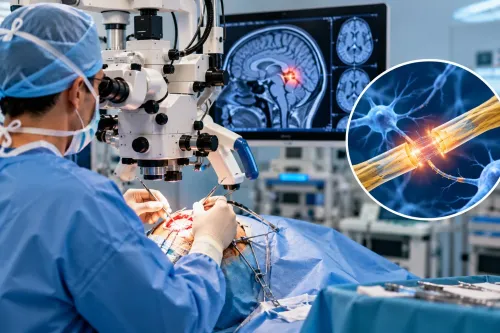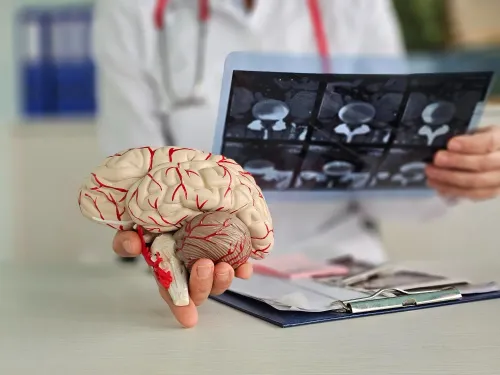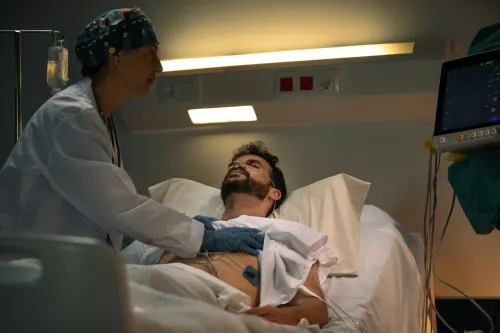

Long-term care begins before discharge and continues through wound checks, medication reviews, rehabilitation, imaging and condition-specific surveillance. You will learn how to organise recovery, recognise urgent symptoms, prepare for follow-up and assess whether a neurosurgical team can provide dependable care in Mumbai.
Key takeaways
- Keep your discharge summary, scan reports, medicine list and emergency contacts together.
- Attend scheduled neurological reviews and bring every new symptom or medication change.
- Never stop anti-seizure medicine without advice from your neurosurgeon.
- Seek urgent care for seizures, worsening weakness, confusion, severe headache or repeated vomiting.
What long-term brain surgery care includes after discharge
Long-term brain surgery care starts at discharge and may continue for months or lifelong. It covers more than an incision: neurological examinations, prescribed medicines, seizure planning, rehabilitation, cognitive or emotional screening, and condition-specific MRI/CT, endocrine, shunt or cancer follow-up.
Include a family member, with your consent, because changes in memory, personality, speech or safety awareness can be difficult to recognise yourself.
Before choosing the “best neurosurgeon in Mumbai,” match the surgeon’s regular practice to your diagnosis and operation, then verify registration in the Indian Medical Register. Ask these questions:
- Who reviews new symptoms after discharge, including nights and weekends?
- Where can you obtain emergency brain imaging in Mumbai?
- Which neurologist, neuroradiologist, neuro-oncology team, rehabilitation clinician, speech and swallowing therapist or neuropsychologist will coordinate care?
- How often does the surgeon perform your proposed operation, and how are second opinions arranged?
- What seizure plan covers first aid, recording duration and triggers, restrictions on driving, swimming, bathing alone, heights and machinery, and emergency treatment for a seizure lasting five minutes?
| Continuity question | What a useful answer includes | Warning sign |
|---|---|---|
| Who provides follow-up? | Named surgeon or colleague and clear contact route | “Call the hospital” only |
| What happens in an emergency? | Imaging location and night/weekend coverage | No named pathway |
| How is recovery measured? | Reviews, scans and rehabilitation goals | Discharge ends the plan |
Your first weeks at home: a practical recovery checklist
Before discharge, appoint one adult to coordinate the first weeks, keep a written symptom record and confirm a 24-hour contact number. Your brain surgery follow up care plan should state the wound-review date, staple or suture instructions, medication schedule and emergency symptoms.
1. Check the incision once daily with clean hands. Note increasing redness, swelling, warmth, separation, bleeding, cloudy drainage or fever; do not apply creams or remove dressings unless instructed.
2. Take every medicine at the prescribed time. Do not stop antiseizure medicine or corticosteroids abruptly; ask how a steroid taper works and what to do after vomiting or a missed dose.
3. Record headache severity, temperature, sleep, fatigue, concentration, balance, weakness, speech changes and nausea. Arrange help with meals, bathing, transport and childcare while these symptoms limit you.
4. Use seizure precautions. Learn first aid, record the duration and possible trigger, and avoid driving, swimming alone, unsupervised baths, heights and machinery until your treating team and local rules allow them. Call emergency services for a seizure lasting five minutes or more, repeated seizures without recovery or breathing difficulty afterward.
5. Walk short distances and increase activity gradually. Avoid heavy lifting, strenuous exercise and work at heights; an intact incision does not prove that your brain has recovered.
Seek urgent medical advice for a rapidly worsening headache, new weakness, confusion, repeated vomiting, a seizure or wound drainage. Keep the discharge summary, operative note, medication list and emergency contacts together for every call or visit.
Follow-up appointments, scans and records to keep ready
A written plan is the backbone of brain surgery follow up care. It should name the first review date, wound-check arrangements, suture or staple removal if needed, medication review, and the purpose and timing of each scan. Many wound reviews occur within 7–14 days, but the operation and diagnosis determine the safe schedule.
Bring the same core records to every appointment:
- Operative note and discharge summary
- Pathology report, if tissue was removed
- Scan reports and the actual MRI or CT images on a disc or secure digital link
- Current medicine list, including doses, allergies and recently stopped drugs
- Seizure diary and symptom log, recording headaches, vomiting, weakness, vision or speech changes, sleep and memory problems
| Appointment | Timing | Main purpose |
|---|---|---|
| First postoperative review | Date written in your discharge plan, often within 1–2 weeks | Check the wound, neurological recovery, medicines and complications |
| Wound review | Before suture or staple removal | Assess healing and remove closure material when appropriate |
| Postoperative imaging | The date set for your operation and diagnosis | Check treatment effect, swelling, bleeding or residual disease |
| Ongoing surveillance | Weeks to years, depending on diagnosis | Review examinations, serial MRI or CT, seizures, rehabilitation and return to work |
Tumour surveillance differs from follow-up after aneurysm clipping, epilepsy surgery, decompression or shunt placement. Long term brain surgery care may last months or lifelong. Do not wait for a routine visit after sudden neurological deterioration, repeated vomiting, seizure, confusion or new weakness; seek urgent medical assessment.
Medicines, seizures and symptoms that need urgent attention
Mild incision tenderness, fatigue, a dull headache and slower thinking can be expected after brain surgery when they gradually improve with rest and the prescribed treatment. A new symptom, a symptom that worsens, or a symptom that does not match the discharge instructions needs advice rather than observation.
- Call the neurosurgical team urgently for increasing headache, repeated vomiting, new confusion, unusual drowsiness, worsening weakness or numbness, new speech or vision problems, fever, a red or opening wound, clear fluid or pus from the incision, or a seizure.
- Request same-day assessment for a headache that is stronger than before, a temperature of 38°C or higher, a new balance problem, increasing wound swelling, or side effects that prevent you taking an anti-seizure medicine, steroid or pain medicine.
- Seek emergency treatment for a seizure lasting five minutes or longer, repeated seizures without recovery, trouble breathing after a seizure, loss of consciousness, sudden one-sided weakness, or collapse. Do not drive the patient; place them on their side, protect the head, remove nearby hazards and time the seizure.
Do not stop anti-seizure medicines or steroids suddenly, and do not double a missed dose unless the prescriber gives that instruction. Keep a seizure diary recording duration, awareness, movements, triggers and recovery. Until cleared, avoid driving, swimming alone, baths without supervision, heights and machinery.
Reliable neurosurgery aftercare in Mumbai includes a night-and-weekend contact, emergency imaging access and clear instructions for these situations.
Safe activity and how to judge continuity of care in Mumbai
Add one daily activity at a time, and stop if it causes worsening headache, vomiting, new weakness, confusion or marked fatigue. Begin with short, supervised walks on level ground; increase distance before speed. Avoid lifting, strenuous exercise, driving, swimming alone, climbing heights and operating machinery until the surgeon clears them.
- Ask when you may shower, work, drive, exercise, lift weight and travel by air.
- Ask which symptoms require a same-day call, emergency-department visit or ambulance.
- Ask whether the surgeon or a named colleague reviews new symptoms after discharge.
- Ask who covers nights, weekends and public holidays, and which Mumbai hospital provides emergency imaging.
- Ask who coordinates neurology, neuro-oncology, rehabilitation, speech and swallowing therapy, neuropsychology and second opinions.
- Ask what follow-up continues after the incision heals: MRI or CT, seizure review, endocrine testing, shunt checks or cancer treatment.
A seizure plan must state how to record duration and triggers, give first aid, and restrict driving, bathing alone and swimming. Call emergency services for a seizure lasting five minutes, repeated seizures without recovery or breathing difficulty. Do not stop antiseizure medicines or steroids without the prescribing clinician’s plan.
Dr. Anshu Warade can clarify which team members and review pathway apply to your diagnosis. The best neurosurgeon in Mumbai is the one whose subspecialty and accessible follow-up fit your condition, not simply the highest online ranking. This is practical neurosurgery aftercare in Mumbai for anyone comparing long term brain surgery care.
Related services
Brain (Cranial) Surgeries 🧠 Brain (Cranial) Surgeries by Dr. Anshu Warade Brain (Cranial) Surgeries involve advanced surgical procedures to treat conditions affecting the... View service → |
Neurological Examination 🧠 Neurological Examination by Dr. Anshu Warade A Neurological Examination is a detailed clinical assessment used to evaluate the functioning of the... View service → |
Frequently asked questions
What does long-term brain surgery care include after discharge?
It includes neurological examinations, prescribed medicines, seizure planning, rehabilitation, cognitive or emotional screening, and condition-specific MRI or CT follow-up. Some patients also need endocrine, shunt or cancer monitoring.
What should I do during the first weeks at home?
Follow the discharge instructions, take medicines at the prescribed times, protect the incision, record symptoms and attend the planned follow-up appointment. Ask your care team before driving, lifting weights or returning to work.
Which records should I take to brain surgery follow-up appointments?
Carry your discharge summary, operation notes if provided, MRI or CT images and reports, medicine list, allergy details, seizure or symptom diary, and records from rehabilitation or other specialists.
Which symptoms need urgent medical attention after brain surgery?
Seek urgent help for a seizure, worsening weakness or speech trouble, increasing confusion, severe or rapidly worsening headache, repeated vomiting, loss of consciousness, fever with wound changes, or clear fluid draining from the wound or nose.
How can I judge continuity of neurosurgical care in Mumbai?
Check whether one team reviews your operative history, scans, medicines and recovery progress over time. Ask who handles urgent symptoms, when scans are due, how to contact the team, and which rehabilitation or specialist services are available.
Keywords