Stroke treatment is often associated with medicines and rehabilitation, but certain patients may also require Stroke-related Surgical Interventions. The need for surgery depends on the type of stroke, the affected blood vessel, brain swelling, bleeding, and the patient's neurological condition.
Understanding these differences can help families in Prabhadevi make sense of treatment recommendations during a time-sensitive situation.
Ischemic and Hemorrhagic Strokes Are Different
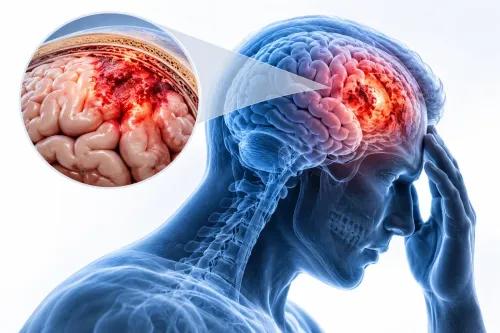
An ischemic stroke occurs when blood flow to part of the brain is blocked. A hemorrhagic stroke occurs when a blood vessel ruptures and bleeding develops in or around the brain.
Because these mechanisms are different, their treatments are also different.
Some patients with blocked vessels may be candidates for specialised procedures designed to restore blood flow. Patients with significant brain bleeding or swelling may require neurosurgical assessment.
Why Brain Swelling Can Become Dangerous
After a major stroke, damaged brain tissue can swell.
The skull cannot expand to accommodate this swelling. In severe cases, rising pressure can affect additional areas of the brain and become life-threatening.
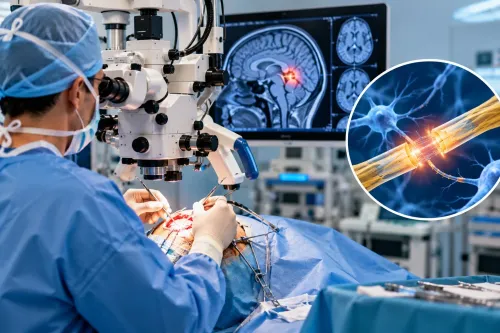
A neurosurgical procedure may sometimes be considered to create additional space and reduce dangerous pressure.
This decision is based on imaging, neurological status, age, stroke severity, and other clinical factors.
When Does Brain Bleeding Require Surgery?
Not every hemorrhagic stroke requires an operation.
Small or stable haemorrhages may sometimes be monitored and managed medically. Surgery becomes a consideration when the bleeding creates substantial pressure, the patient's neurological condition worsens, or the location and characteristics of the haemorrhage make intervention appropriate.
Dr. Anshu Warade assesses the potential role of Stroke-related Surgical Interventions by reviewing imaging and the patient's neurological condition.
Timing Is an Important Part of Stroke Care
Common stroke warning signs include sudden:
- Facial weakness
- Arm or leg weakness
- Speech difficulty
- Loss of coordination
- Vision changes
- Severe unexplained headache
- Confusion
These symptoms require immediate medical attention because some stroke treatments are highly time-sensitive.
Families should not wait to see whether sudden neurological deficits resolve on their own.
Surgery Is Only One Part of Recovery
After the acute phase, many stroke patients require structured rehabilitation.
Depending on the neurological deficits, this can involve physiotherapy, occupational therapy, speech and swallowing therapy, and continued neurological follow-up.
For patients living in Prabhadevi and nearby parts of Mumbai, Maharashtra, planning this continuing care is often as important as understanding the initial procedure.
Stroke surgery is not a universal treatment. Its role depends on the type of stroke and what is happening inside the brain at that particular time. Where neurosurgical intervention is being considered, evaluation by Dr. Anshu Warade can help families understand the imaging findings, purpose of the proposed procedure, and expected next stages of care.
Keywords