Stroke and brain aneurysms are two serious neurological conditions that are often confused because both can affect blood vessels in the brain. Although they may share certain symptoms, they are different conditions with different causes and treatment approaches. Understanding Stroke & Aneurysm conditions can help patients recognize warning signs early and seek appropriate medical care without delay.
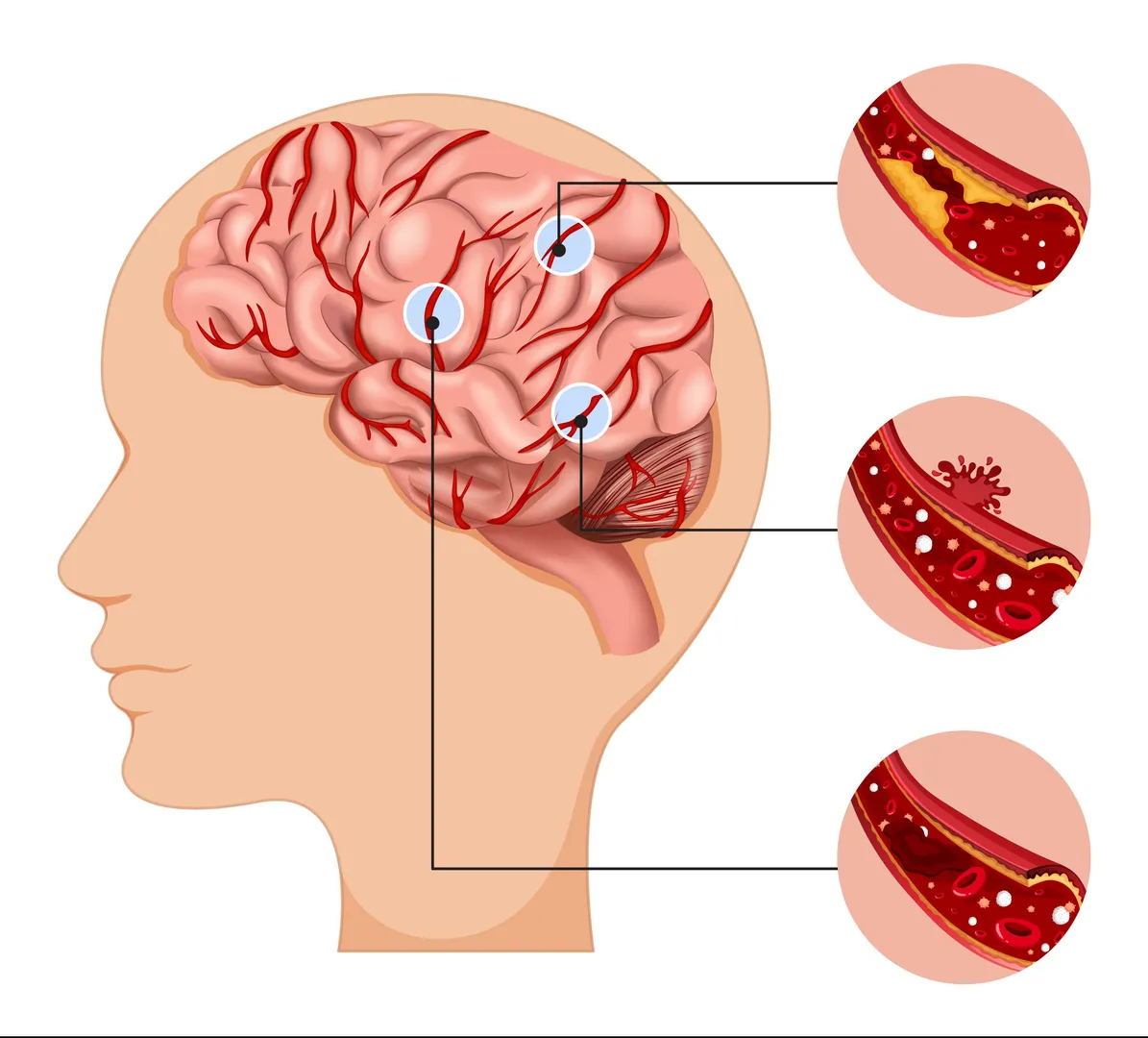
A stroke occurs when blood flow to part of the brain is interrupted or when bleeding occurs within the brain. An aneurysm is a weakened area in a blood vessel wall that balloons outward. Some aneurysms remain stable for years, while others may rupture and cause life-threatening bleeding.
Understanding the Difference
An ischemic stroke is caused by a blockage that prevents blood from reaching brain tissue. A hemorrhagic stroke occurs when a blood vessel ruptures and causes bleeding inside the brain.
A brain aneurysm, on the other hand, is a structural weakness in a blood vessel. If it ruptures, it can lead to bleeding around the brain, which requires emergency treatment.
Although different, a ruptured aneurysm can result in a hemorrhagic stroke.
Common Warning Signs
Symptoms requiring urgent medical attention include:
- Sudden severe headache
- Weakness on one side of the body
- Difficulty speaking
- Loss of vision
- Confusion
- Difficulty walking
- Loss of consciousness
- Neck stiffness in some aneurysm cases
- Sudden seizures
These symptoms should always be treated as medical emergencies.
How Are These Conditions Diagnosed?
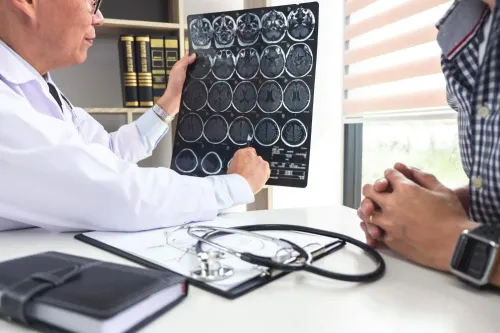
Doctors use several investigations to identify the underlying cause.
Common diagnostic tests include:
- CT scan
- MRI brain
- CT angiography
- MR angiography
- Digital subtraction angiography when required
- Neurological examination
Prompt diagnosis helps determine the most appropriate treatment without unnecessary delay.
Available Treatment Options
Treatment depends on the diagnosis.
Management may involve:
- Emergency medication
- Blood pressure control
- Endovascular procedures
- Surgical clipping of aneurysms
- Clot removal in selected stroke cases
- Rehabilitation after stabilization
The choice of treatment is based on the patient's condition, imaging findings, and overall health.
Preventing Future Neurological Events
Although not all aneurysms or strokes can be prevented, several lifestyle measures help reduce risk:
- Control high blood pressure
- Manage diabetes
- Stop smoking
- Exercise regularly
- Maintain healthy cholesterol levels
- Follow prescribed medications
- Attend regular medical check-ups
These measures support long-term vascular health.
Residents of Bandra experiencing sudden neurological symptoms should seek emergency medical care immediately rather than attempting self-treatment. Dr. Anshu Warade evaluates patients with suspected Stroke & Aneurysm conditions using comprehensive neurological assessment and advanced imaging before determining the most appropriate treatment strategy. Decisions regarding surgery or other interventions are made according to internationally accepted clinical guidelines and individual patient needs.
Recognizing symptoms quickly and obtaining immediate medical attention remain the most effective ways to reduce complications associated with stroke and aneurysms. Early diagnosis allows timely treatment and provides the best opportunity for preserving neurological function.
Keywords