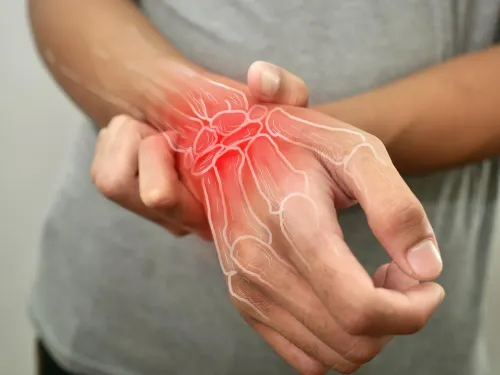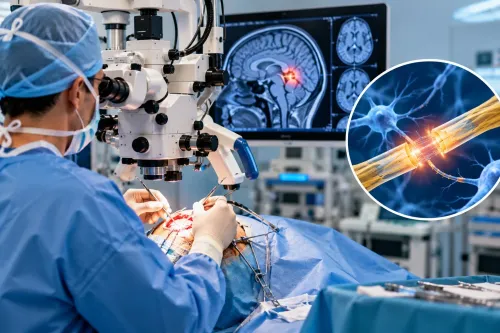
Numbness, tingling, weakness, and persistent nerve pain can interfere with work, sleep, movement, and everyday tasks. While many nerve problems respond to conservative treatment, Peripheral Nerve Surgery may be considered when a nerve remains compressed, injured, or functionally impaired despite appropriate management.
For patients in Worli, identifying the source of the problem is the first step toward choosing the right treatment.
What Are Peripheral Nerves?
Peripheral nerves carry signals between the brain, spinal cord, muscles, skin, and other parts of the body.
When these nerves are compressed or damaged, symptoms may include:
- Tingling
- Burning sensations
- Numbness
- Muscle weakness
- Reduced grip strength
- Shooting pain
- Loss of fine movement
- Muscle wasting in advanced cases
The location of symptoms can provide clues about which nerve is affected.
Why Diagnosis Matters Before Surgery
Similar symptoms can originate from different locations.
For example, numbness in the hand could result from a compressed peripheral nerve, but certain neck conditions can produce similar complaints.
A careful examination is therefore essential.
Diagnostic evaluation may include clinical neurological examination, nerve conduction studies, electromyography, and imaging where appropriate.
When Is Surgery Considered?
Many peripheral nerve conditions are initially treated without surgery.
Depending on the diagnosis, management may involve activity modification, medication, physiotherapy, splinting, or observation.
Surgery may become relevant when there is significant compression, progressive weakness, persistent symptoms, structural nerve damage, or inadequate response to conservative care.
Dr. Anshu Warade evaluates patients being considered for Peripheral Nerve Surgery by identifying the affected nerve and assessing the extent and cause of dysfunction.
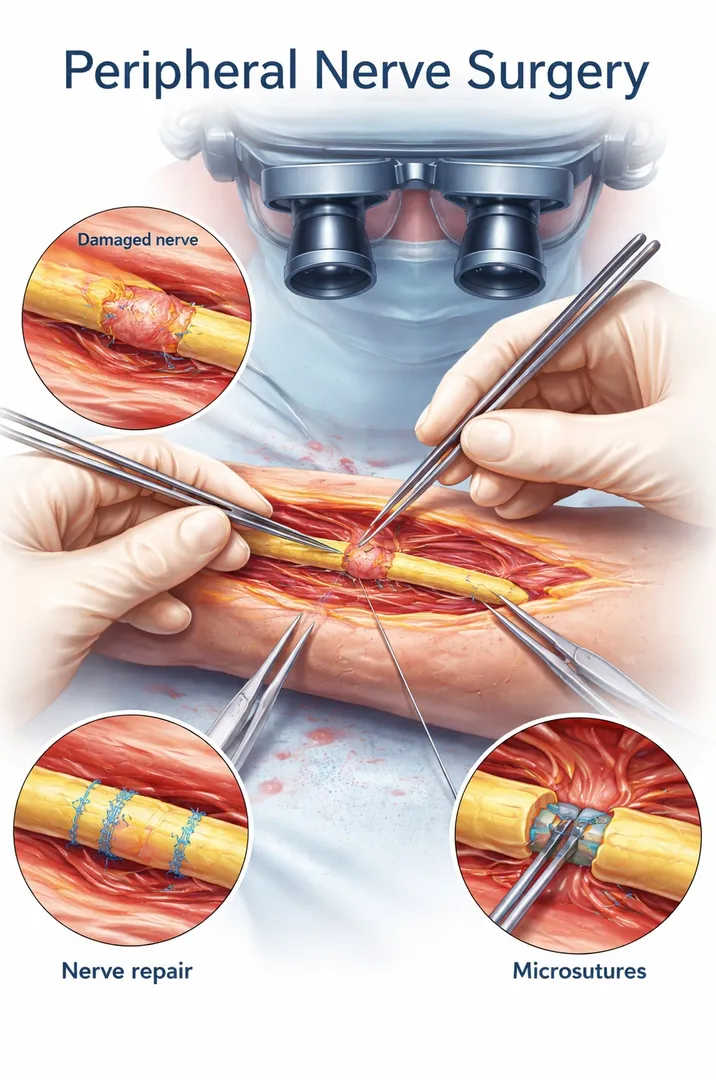
What Can Peripheral Nerve Surgery Involve?
The procedure depends on the underlying problem.
If a nerve is trapped by surrounding tissue, decompression may be performed to relieve pressure. Injured nerves may require repair or reconstruction in selected circumstances.
The surgical plan therefore depends on whether the primary problem is compression, trauma, scarring, or another structural abnormality.
Do Not Judge Nerve Problems Only by Pain
Pain receives the most attention, but progressive weakness can be particularly important.
Difficulty holding objects, repeated dropping of items, reduced finger movement, or visible muscle wasting may indicate significant nerve dysfunction.
Patients in Worli and other areas of Mumbai, Maharashtra, experiencing progressive neurological changes should have the cause properly evaluated rather than repeatedly treating symptoms alone.
The purpose of peripheral nerve treatment is to address the specific cause of nerve dysfunction. When conservative measures are insufficient or neurological function is deteriorating, consultation with Dr. Anshu Warade can help determine whether surgery has an appropriate role and what type of procedure may be considered.
Keywords