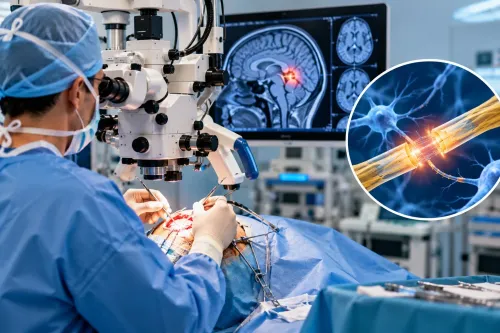
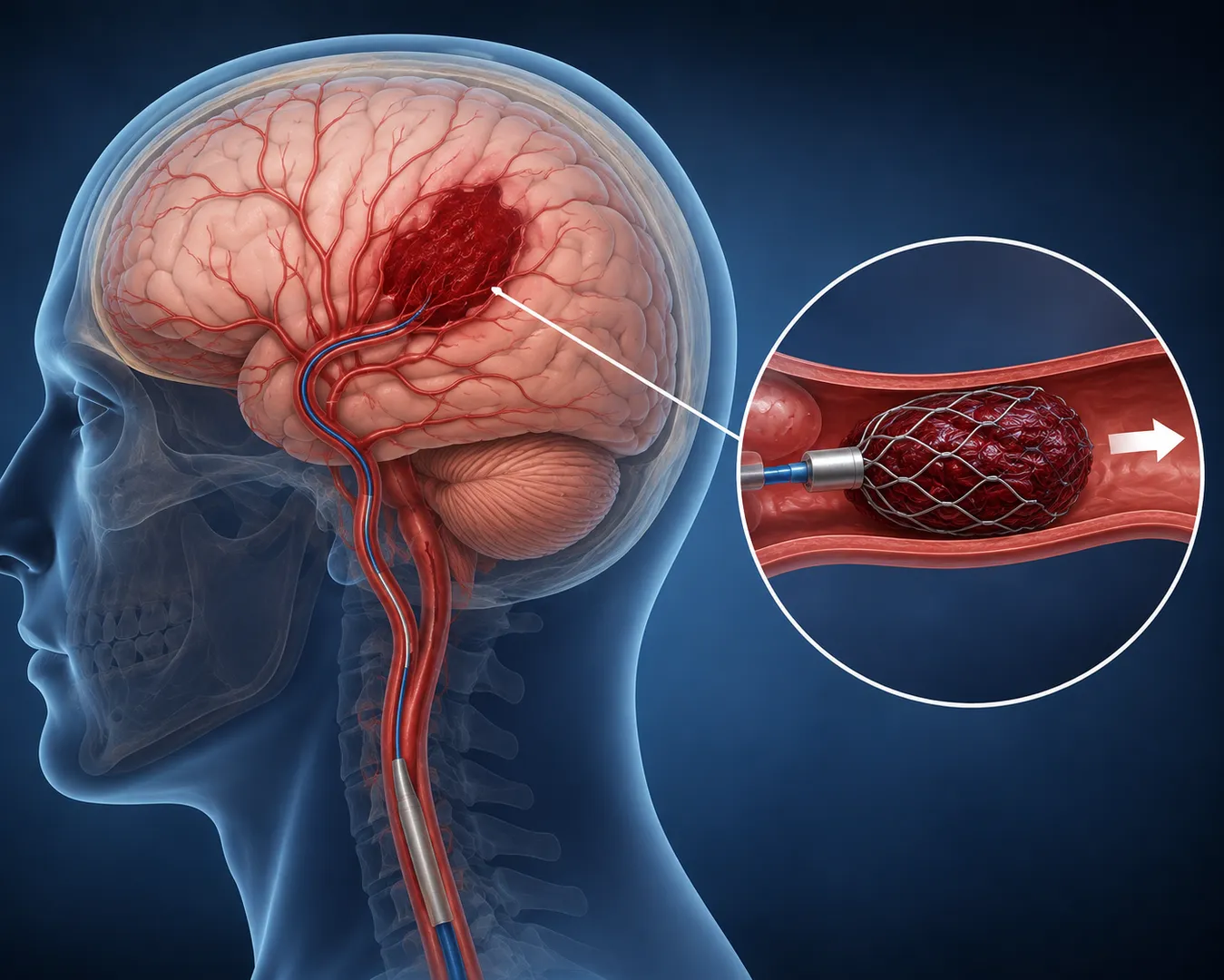
Bleeding inside the skull is a neurological emergency that can affect brain tissue within a short period. Depending on where the bleeding occurs and how much blood accumulates, Intracranial Hemorrhage / Clot Removal may be considered to reduce pressure or address a dangerous collection of blood.
For families in Santacruz, understanding the basic treatment process can make discussions during an emergency easier to follow.
What Is an Intracranial Hemorrhage?
Intracranial haemorrhage refers broadly to bleeding within the skull.
The bleeding may occur within brain tissue itself or in spaces surrounding the brain. Causes can include high blood pressure, head trauma, abnormalities in blood vessels, certain medications, and other medical conditions.
Symptoms often appear suddenly.
A patient may develop:
- Severe headache
- Vomiting
- Weakness or numbness
- Speech difficulty
- Seizures
- Loss of balance
- Confusion
- Reduced consciousness
The pattern depends on the location and extent of the bleeding.
Does Every Brain Clot Require Surgery?
No. Some haemorrhages can be managed medically with close monitoring, blood pressure management, medication adjustments, and repeated imaging.
The decision depends on factors such as clot size, location, neurological deterioration, pressure on surrounding structures, and the patient's overall condition.
This is why CT scans and neurological examinations are central to the evaluation.
When Can Clot Removal Be Considered?
Surgery may be considered when accumulated blood is creating significant pressure, when neurological function is deteriorating, or when the characteristics of the haemorrhage make surgical evacuation appropriate.
The surgical approach varies according to the location of the clot.
In selected situations, conventional open surgery may be required. Other cases may be suitable for different techniques depending on anatomy and clinical circumstances.
Questions Families Can Ask
Emergency situations are stressful, but several questions can help families understand what is happening:
- Where is the bleeding located?
- How large is the haemorrhage?
- Is pressure on the brain increasing?
- Why is surgery being considered?
- What is the immediate objective of surgery?
- What monitoring will be needed afterward?
Dr. Anshu Warade evaluates patients requiring Intracranial Hemorrhage / Clot Removal by considering imaging findings alongside neurological status and the likely risks of continued bleeding or pressure.
What Happens After Treatment?
Patients may require intensive neurological monitoring after a significant brain haemorrhage. Repeat scans can be used to monitor the brain and detect further changes.
Rehabilitation may later become necessary for difficulties involving movement, speech, swallowing, or daily activities.
For patients from Santacruz and surrounding areas of Mumbai, Maharashtra, follow-up planning can therefore become an important part of recovery.
Intracranial haemorrhage requires decisions based on the location of bleeding, its size, neurological symptoms, and overall medical condition. Timely assessment by Dr. Anshu Warade can help determine when observation or medical management is appropriate and when surgical clot removal needs to be considered.
Keywords