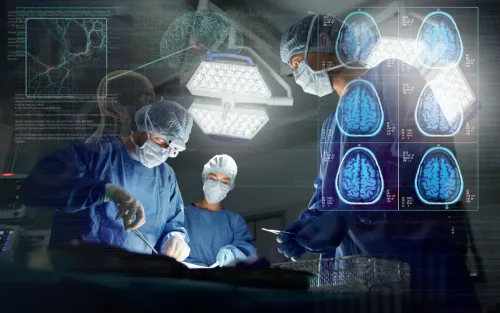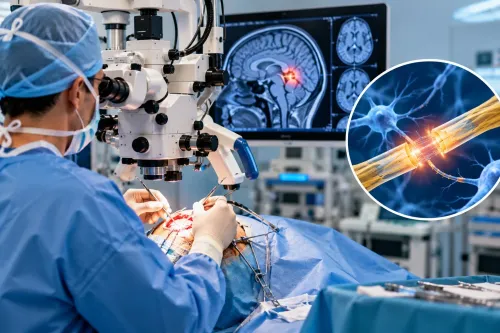
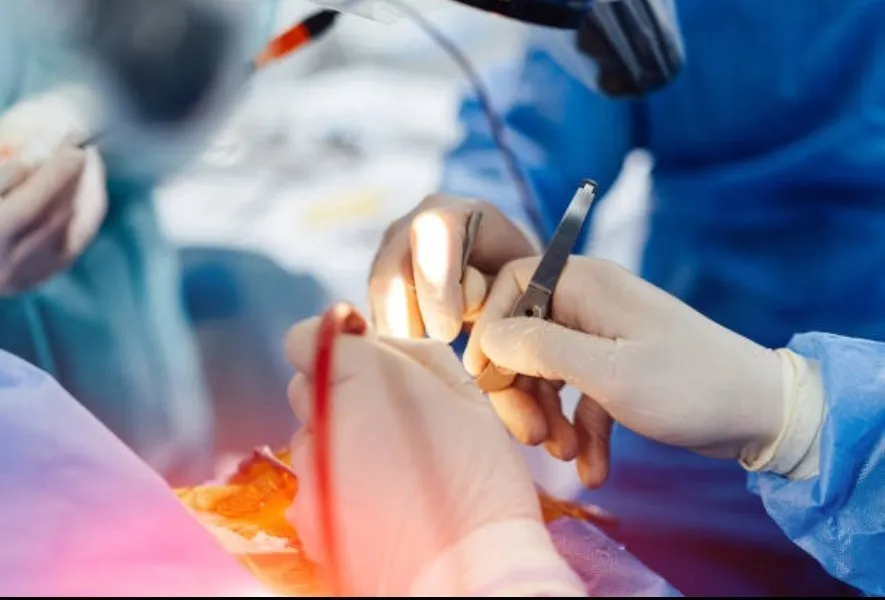
Advances in neurosurgery have made it possible to reach selected areas of the brain through smaller and more targeted surgical corridors. Endoscopic Brain Surgery is one such approach, using a specialised camera and instruments to visualise and treat certain conditions inside the skull.
For patients in Matunga exploring neurosurgical options, understanding where endoscopy can be useful is more valuable than assuming that every brain condition can be treated this way.
What Is Endoscopic Brain Surgery?
An endoscope is a narrow instrument equipped with a camera and light source. It allows the surgeon to view internal structures on a monitor while operating through a relatively small surgical pathway.
Depending on the condition, endoscopic approaches may be performed through a small opening in the skull or, for selected conditions near the skull base, through natural anatomical pathways.
The exact technique depends entirely on the location and nature of the abnormality.
Which Conditions May Be Suitable?
Endoscopic techniques can be considered for selected conditions such as certain:
- Ventricular disorders
- Hydrocephalus-related procedures
- Cysts
- Skull-base lesions
- Pituitary-region conditions
- Deep-seated abnormalities accessible through suitable corridors
However, suitability depends on anatomy.
A condition being located in the brain does not automatically make it appropriate for endoscopic treatment.
Minimally Invasive Does Not Mean Minor
The term minimally invasive can sometimes create the impression that the procedure is simple or carries little risk.
Brain surgery remains highly specialised regardless of incision size.
Important structures may be located close to the surgical pathway, and careful planning is required to determine whether an endoscopic approach offers an appropriate route.
Dr. Anshu Warade considers imaging findings, anatomy, surgical objectives, and available approaches when evaluating a patient for Endoscopic Brain Surgery.
Potential Practical Advantages
For appropriately selected patients, an endoscopic approach may allow surgeons to access certain abnormalities through a focused operative corridor.
Potential advantages can vary according to the procedure and may include reduced disruption of surrounding tissues and smaller surgical access.
These benefits should always be considered alongside the limitations and risks relevant to the individual case.
Questions to Ask Before Choosing an Approach
Patients can ask:
- Why is an endoscopic procedure suitable for my condition?
- What alternative surgical approaches exist?
- What is the main objective of the procedure?
- What risks are specific to its location?
- How will recovery and follow-up be managed?
For patients travelling from Matunga and nearby areas of Mumbai, Maharashtra, postoperative follow-up and imaging requirements should also be discussed beforehand.
The most appropriate surgical approach is determined by the condition rather than by a preference for the smallest incision. When endoscopy offers a suitable route, it can be an important neurosurgical technique. Consultation with Dr. Anshu Warade can help patients understand whether an endoscopic procedure is appropriate for their diagnosis and what alternatives should also be considered.
Keywords