Nerve injuries can affect movement, sensation, and muscle control, making even routine daily activities difficult. Whether caused by accidents, sports injuries, falls, or surgical complications, damaged nerves should be evaluated promptly because early treatment often improves the chances of recovery. Understanding the available options for the Treatment of Nerve Injuries helps patients know when specialist care may be required.
Peripheral nerves have the ability to regenerate under certain conditions, but recovery depends on the severity and location of the injury. Some minor injuries improve with time, while others require surgical repair or structured rehabilitation.
Common Causes of Nerve Injuries
Nerves may be damaged due to several reasons, including:
- Road traffic accidents
- Deep cuts or lacerations
- Bone fractures
- Sports injuries
- Compression injuries
- Workplace accidents
- Surgical trauma
- Severe stretching injuries
Each type of injury affects the nerve differently, making proper diagnosis essential.
Symptoms That Should Be Evaluated
Depending on the affected nerve, patients may notice:
- Numbness
- Tingling
- Weakness
- Difficulty moving fingers or toes
- Muscle wasting
- Loss of sensation
- Burning pain
- Reduced coordination
Persistent symptoms should not be ignored, particularly after trauma.
Diagnostic Evaluation
A neurological assessment helps determine the extent of injury and guides treatment planning.
Investigations may include:
- Clinical neurological examination
- Nerve conduction studies
- Electromyography
- MRI
- Ultrasound for selected nerve injuries
These investigations help identify whether the nerve is bruised, compressed, partially torn, or completely divided.
Treatment Options
Management depends on the severity of the injury.
Treatment may include:
- Observation
- Physiotherapy
- Splinting
- Pain management
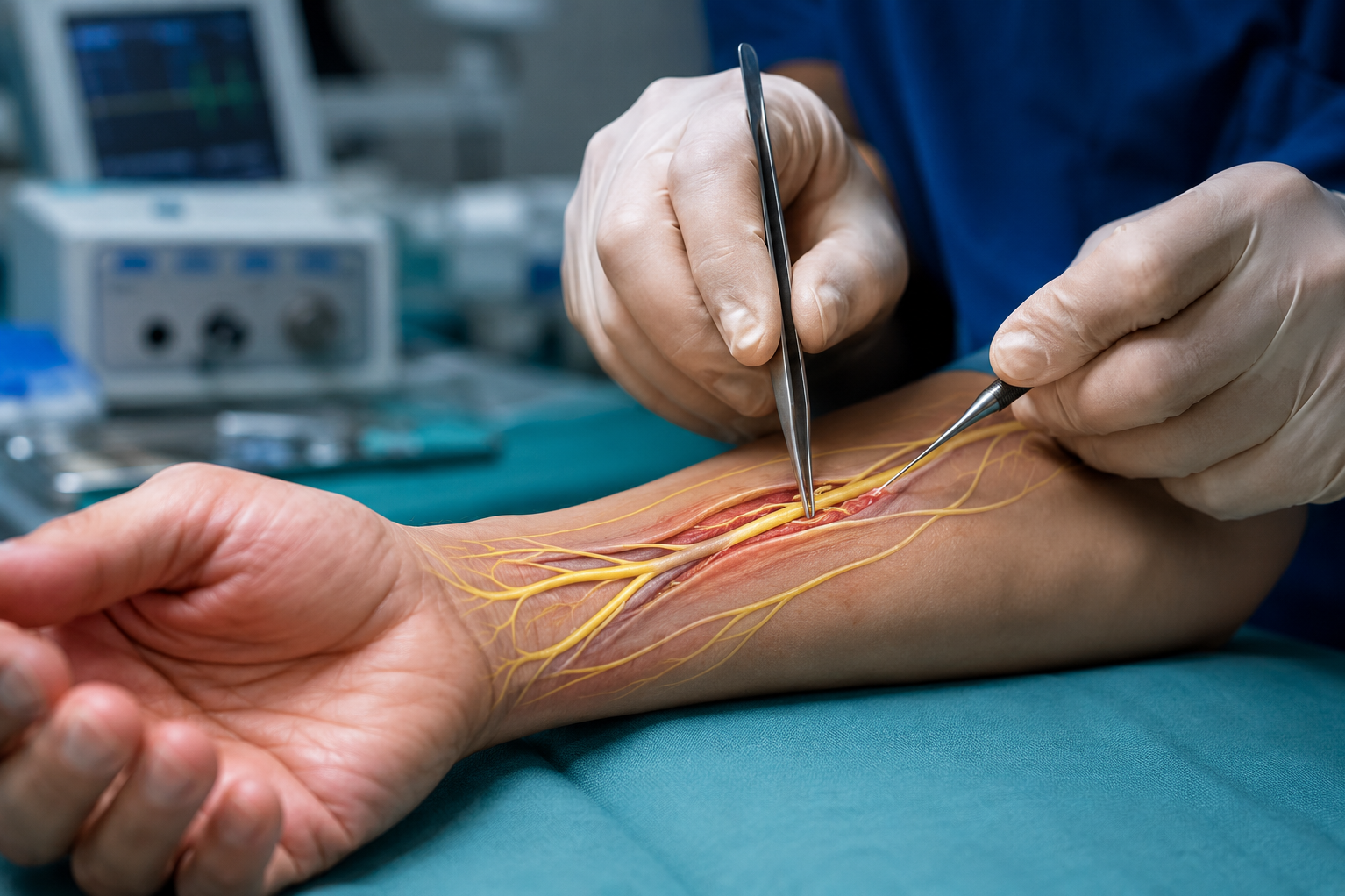
- Surgical nerve repair
- Nerve grafting
- Tendon transfer in selected cases
Early intervention often provides better functional recovery when surgery is indicated.
The Importance of Rehabilitation
Healing continues well beyond the initial treatment.
Patients are frequently advised to participate in:
- Strengthening exercises
- Range-of-motion training
- Sensory re-education
- Occupational therapy
- Regular follow-up assessments
Recovery may take several months because nerve regeneration is typically slow.
Individuals in Dadar who develop persistent weakness or numbness after an injury benefit from early neurological assessment rather than waiting for symptoms to improve on their own. Dr. Anshu Warade evaluates nerve injuries using detailed clinical examination and appropriate diagnostic studies before recommending individualized treatment options. Decisions regarding surgery are made only after carefully assessing the extent of nerve damage and expected recovery.
Prompt diagnosis, structured rehabilitation, and timely intervention when necessary can significantly influence long-term nerve function. Seeking medical evaluation soon after a significant nerve injury allows treatment to begin at the most appropriate stage.