Some changes are easy to ignore in the beginning. A slight tremor, a slower step, a bit of stiffness that comes and goes. But over time, it doesn’t stay small. Things that once felt automatic like buttoning a shirt or walking across a room start needing more attention.
For many people living with Parkinson’s, medication works well initially. Then slowly, its effect begins to fluctuate. That is usually the point when people start thinking about whether surgery could help. Not out of fear, but because they want more consistency in daily life.
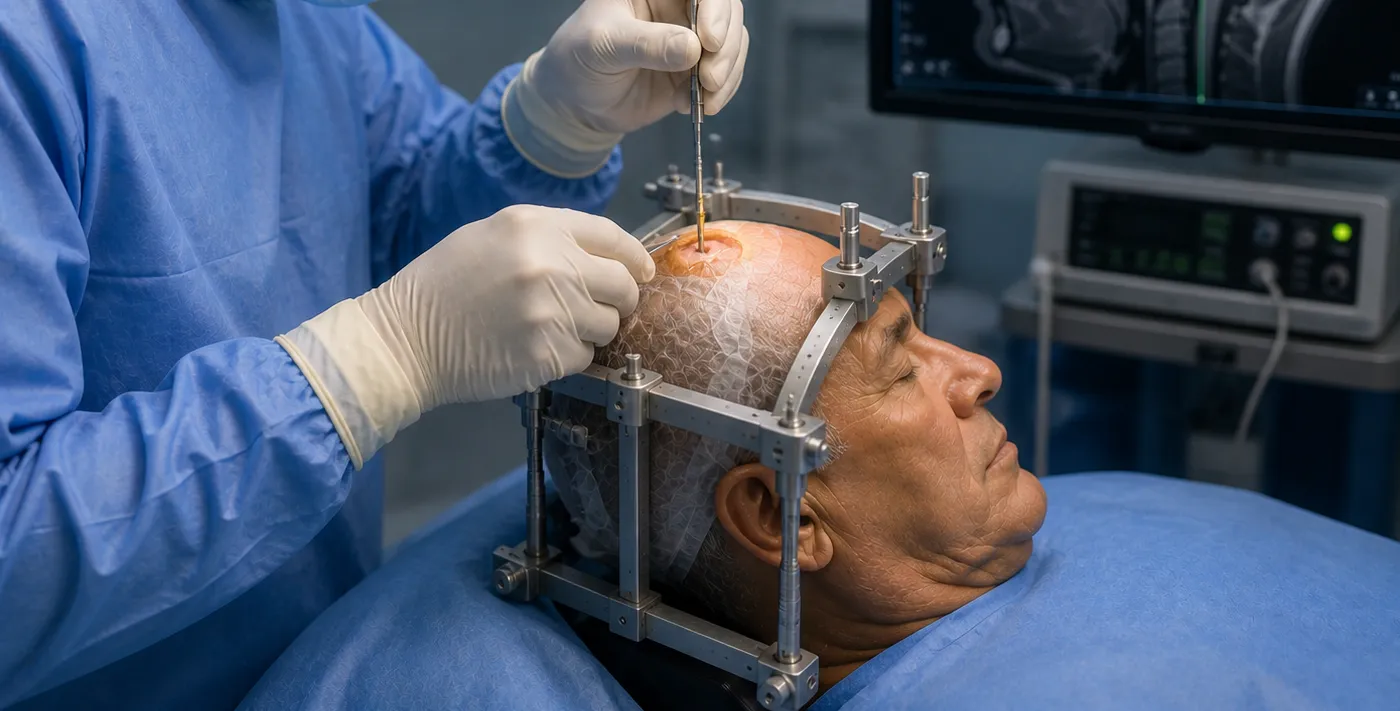
At Dr. Anshu Warade in Matunga, these decisions are handled with care. Surgery is not treated as a quick fix. It begins with understanding how the condition has progressed, how the body is responding to medicines, and whether a procedure like Deep Brain Stimulation can actually improve function. The focus stays practical. Can movement improve? Can daily life feel more manageable?
Neurosurgery today is very different from what many imagine. Procedures are planned with high precision, often aiming to minimise impact on surrounding brain areas. This approach helps not only during surgery but also in recovery and long term outcomes.
There is no perfect timing for surgery, but waiting too long can sometimes reduce its benefits. Having a discussion early can make a real difference in planning the right path.
If Parkinson’s symptoms are becoming difficult to manage, you can consult Dr. Anshu Warade to understand whether surgical options may be suitable for you.
Keywords